
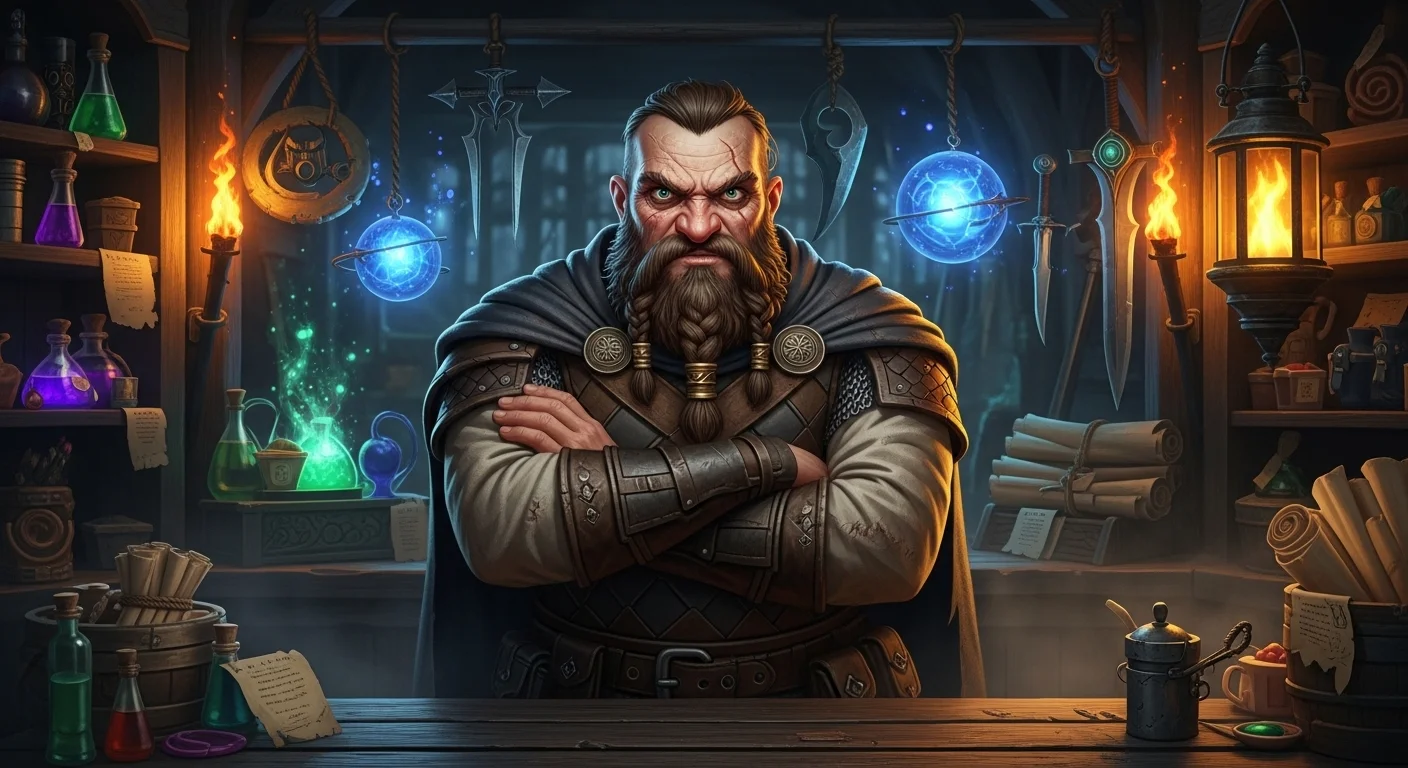
I’ve been gaming for over two decades, and nothing quite captures my attention like watching an NPC remember that I stole from their shop three hours ago. Gone are the days when non player characters simply repeated the same dialogue on loop. Today’s games feature social systems so sophisticated that interactions feel genuinely unpredictable and, honestly, sometimes uncomfortably real.
The Evolution of Digital Social Dynamics
Remember when talking to a shopkeeper meant clicking through the same three dialogue options every single time? Those days feel almost quaint now. Modern games have embraced AI driven social simulation that transforms static characters into dynamic personalities with memories, opinions, and emotional responses.
This shift didn’t happen overnight. It grew from simple reputation systems in early RPGs to the complex web of relationships we see in contemporary titles. Games like The Sims pioneered personality driven interactions back in 2000, but what developers are achieving today makes that look like a rough sketch.
What Makes Modern Social AI Different

The core principle behind AI social interaction simulation is surprisingly intuitive: give characters persistent memory, emotional states, and decision making frameworks that respond to player actions over time.
Take Red Dead Redemption 2 as an example. NPCs in that world remember your face if you’ve caused trouble. Rob a store in Valentine, and the shopkeeper might refuse service weeks later. Help a stranger on the road, and they’ll greet you warmly in town. These aren’t scripted events; they emerge from systems tracking hundreds of variables about your behavior.
What fascinates me most is how these systems create emergent narratives. Nobody at Rockstar wrote the specific moment when a widow recognized me from helping her stranded wagon, and later offered me a discount. That story wrote itself through underlying mechanics.
The Nemesis System: A Game Changer
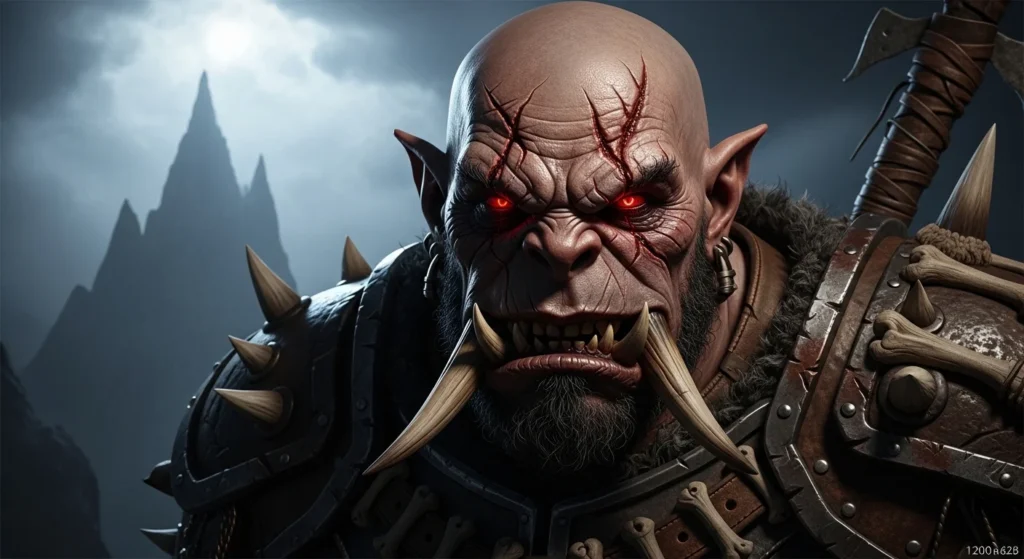
When discussing AI social simulation, ignoring Middle earth: Shadow of Mordor would be criminal. The Nemesis system remains one of gaming’s most innovative approaches to dynamic character relationships.
Orc captains in that game develop unique personalities based on their encounters with you. Kill one in a fire, and his brother might seek revenge while taunting you about flames. Let one escape, and he’ll mock your weakness when you meet again, complete with scars from your previous battle.
Warner Bros. actually patented this system, which sparked industry wide debate about innovation ownership. But setting legal matters aside, it demonstrated what happens when developers prioritize relationship dynamics over static characterization.
Colony Simulators and Social Ecosystems
Games like Rimworld and Dwarf Fortress take social simulation in fascinating directions. Rather than focusing on player NPC relationships, they model entire communities of AI characters interacting with each other.
In Rimworld, colonists form friendships, romances, rivalries, and grudges based on personality traits and shared experiences. I’ve watched carefully managed colonies collapse because two colonists with incompatible temperaments kept starting fights. The social simulation doesn’t just add flavor; it creates genuine strategic challenges.
Dwarf Fortress takes this even further, modeling individual dwarf psychologies with remarkable depth. Characters can develop depression, form artistic movements, remember traumatic events, and build complex social networks. It’s fascinating and occasionally heartbreaking.
The Technical Side Without the Jargon
Behind these systems are several interconnected components working together. Behavior trees determine how characters react to situations. Emotion models track psychological states that influence decisions. Memory systems store relevant interactions for future reference. Relationship graphs map connections between characters.
What makes modern implementations impressive isn’t any single component; it’s how they integrate. A well designed system creates cascading effects where one interaction influences future possibilities in unpredictable ways.
The challenge lies in balancing complexity with performance. Every tracked variable consumes memory and processing power. Developers constantly negotiate between simulation depth and practical limitations.
Where Current Systems Fall Short
Let’s be honest about limitations. Even the best AI social simulation feels artificial under scrutiny. Characters lack a genuine understanding that they’re responding to programmed triggers rather than comprehending situations.
Conversations remain the weakest link. Despite advances, most games still rely on branching dialogue trees rather than true generative communication. The illusion breaks when you exhaust dialogue options or notice repetitive phrasing.
Additionally, AI characters don’t learn in meaningful ways. They react based on predetermined rules, not genuine adaptation. A shopkeeper might remember you’re a thief, but they won’t develop strategies to catch you.
What’s Coming Next
The integration of large language models promises significant changes. Some indie developers are experimenting with AI generated dialogue that responds dynamically to player input. The results remain inconsistent, but the potential is obvious.
Procedural personality generation is another frontier. Instead of handcrafting every NPC, developers might define personality parameters and let systems generate unique characters with consistent behaviors and speech patterns.
I’m particularly excited about improved emotional modeling. Current systems treat emotions as simple states: happy, angry, scared. Future implementations might model complex emotional blends and gradual mood shifts.
Ethical Considerations Worth Discussing
As social simulation becomes more convincing, ethical questions emerge. Should games simulate manipulative relationships? What about depicting trauma responses or mental health conditions?
Some players form genuine emotional attachments to AI characters. This raises questions about responsibility: how should developers handle relationships with simulated beings?
There’s also concern about normalization. Extremely realistic social simulation might blur lines between appropriate NPC treatment and real-world behavior expectations.
The Bottom Line
AI social interaction simulation represents one of gaming’s most exciting frontiers. When done well, it transforms digital worlds from static environments into living communities where every interaction carries potential consequences.
We’re still far from truly lifelike digital beings, but the progress over the past decade suggests remarkable developments ahead. For players seeking immersion, these systems offer increasingly convincing social experiences that make game worlds feel genuinely alive.
Frequently Asked Questions
What games feature the best AI social simulation currently?
Red Dead Redemption 2, Rimworld, Dwarf Fortress, and Mount & Blade II: Bannerlord consistently receive praise for their social AI systems.
Can AI characters actually learn from player behavior?
Current systems track and respond to behavior but don’t truly learn. They follow programmed rules rather than developing new strategies.
Will future games feature fully conversational NPCs?
Developers are experimenting with language models for dynamic dialogue, but technical and cost barriers remain significant challenges.
Does social AI simulation affect game performance?
Yes, complex social systems require memory and processing resources, which is why developers balance simulation depth with performance constraints.
Are there multiplayer games with AI social simulation?
Some games blend AI characters with player populations, though most sophisticated social simulation appears in single player experiences.