

I’ll never forget the moment I realized a game was subtly adjusting its economy based on how I played. I was deep into a popular mobile RPG, grinding for crafting materials, when I noticed something peculiar: the drop rates seemed to shift depending on my inventory and recent activity. It wasn’t random luck, it was intelligent design. That’s when I started paying closer attention to how modern games use AI-driven systems to manage their resource economies, and honestly, it’s changed how I think about game design entirely.
What We’re Really Talking About Here

When we discuss AI driven resource economies in games, we’re looking at systems that dynamically adjust how resources spawn, drop, or become available based on player behavior, server wide data, or even predictive algorithms. Unlike the old static loot tables from games I grew up with, where a boss always dropped the same items with fixed percentages, these modern systems adapt and respond.
Think of it like a smart thermostat for your home. It doesn’t just blast heat at a set temperature; it learns your patterns, adjusts to weather conditions, and optimizes for comfort and efficiency. Game economies now work similarly, except they’re balancing engagement, challenge, and monetization instead of temperature.
The Real World Application
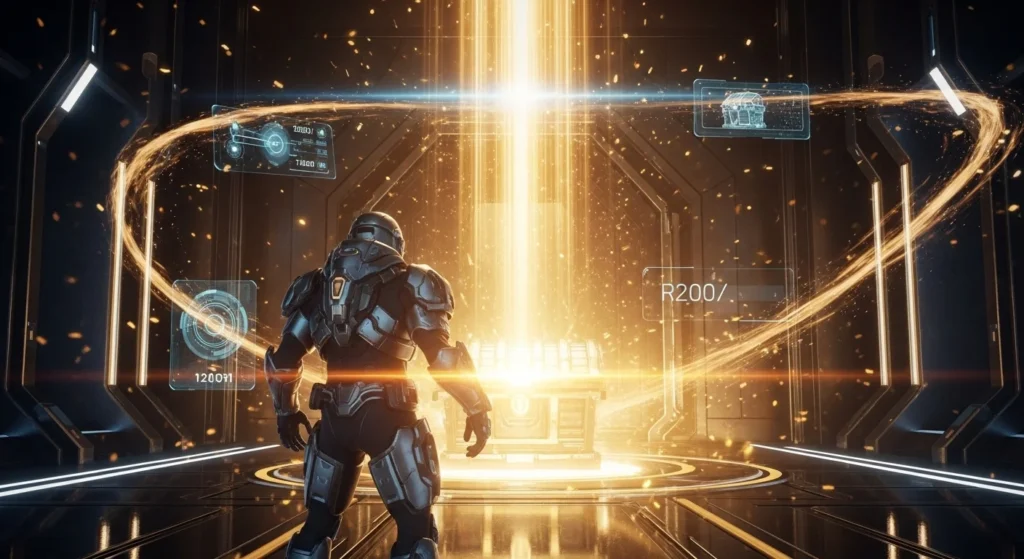
Let me give you a concrete example from my observations. In games like “Destiny 2,” the loot system uses what Bungie calls “bad luck protection.” While they haven’t disclosed every detail, the system clearly tracks how many times you’ve attempted specific activities without receiving rare rewards. The more you try without success, the better your odds become. That’s not just random number generation, that’s an adaptive system responding to individual player data.
I’ve also spent considerable time analyzing mobile games, where AI driven economies are even more sophisticated. Games like “Clash of Clans” or “Raid: Shadow Legends” don’t just randomize chest rewards. They track your player level, spending history, last login date, and even your tendency to engage with certain game modes. The resources you’re offered in the shop, the “special deals” that pop up these are all influenced by algorithms analyzing your behavior patterns.
One particularly interesting case I studied involved a mid tier mobile strategy game that adjusted resource scarcity based on server wide economic health. When too many players stockpiled a particular resource, the system would reduce drop rates globally while increasing opportunities to spend that resource. When scarcity became too extreme, the system corrected itself by increasing availability through events or temporary bonuses.
The Double Edged Sword

From a design perspective, AI driven resource economies solve real problems. They prevent runaway inflation in multiplayer games, reduce the frustration of terrible RNG random number generation luck, and keep players engaged by preventing both resource drought and overwhelming abundance.
I’ve talked to players who’ve been on both sides of this. Some appreciate that they’re not grinding for weeks without progress. Others feel manipulated when they realize the game is essentially reading their behavior and adjusting accordingly. And they’re not entirely wrong to feel that way.
The ethical considerations here get murky fast. There’s a meaningful difference between smoothing out the rough edges of randomness to improve player experience and deliberately creating scarcity to encourage spending. I’ve seen games that use predictive models to identify when a free to play player is most likely to make their first purchase, then strategically limit resources at that exact moment while offering a “perfect” deal.
That crosses a line for me, but it’s increasingly common.
How It Actually Affects Your Gameplay
Whether you’ve noticed it or not, if you’ve played any major online game in the past five years, you’ve interacted with these systems. The legendary weapon that finally dropped after your twentieth raid attempt? The crafting materials that seemed plentiful when you needed them for your first major upgrade, but scarce for your second? The perfectly timed loot box offering exactly the resource you were short on?
These aren’t coincidences.
From a player experience standpoint, when done well, AI driven economies create smoother progression curves. You spend less time hitting frustrating walls and more time feeling like you’re making meaningful progress. Games can maintain challenge without the soul crushing bad luck that made older MMORPGs notorious for mind numbing grinds.
But there’s a trade off. The predictability that comes with these systems can actually reduce the excitement of truly random rewards. I remember the absolute rush of getting a rare drop in early “World of Warcraft.” It felt special because it was genuinely random. When you know or suspect the game is managing your rewards to keep you engaged, some of that magic disappears.
The Technical Side You Should Know
Most modern AI driven resource systems use relatively simple machine learning models combined with rule-based systems. They’re not usually running sophisticated neural networks to manage your loot drops. Instead, they’re typically using decision trees, weighted probability tables that adjust based on tracked variables, and sometimes clustering algorithms to group players into behavioral categories.
I’ve reviewed some of the patent applications from major publishers, and the systems are clever without being overly complex. They track metrics like session length, time since last reward, player power level relative to content difficulty, spending patterns, and social engagement. Then they feed these into models that adjust spawn rates, shop offers, event rewards, and progression pacing.
Where This Is All Heading
Looking forward, I expect these systems will become even more sophisticated and, hopefully, more transparent. Some games are already experimenting with giving players visibility into pity systems and bad luck protection. “Genshin Impact,” for instance, openly advertises its guaranteed five star character system after a certain number of pulls.
The challenge for the industry will be maintaining player trust while using increasingly powerful data-driven tools. Games that strike the right balance by using AI to enhance fairness and reduce frustration, rather than maximizing monetization at all costs, will likely build stronger, more loyal communities.
I also think we’ll see more games where the AI driven economy is part of the gameplay itself. Imagine economic strategy games where you’re competing against or cooperating with AI systems that manage resource distribution across servers, creating emergent economic scenarios that no static system could produce.
The Bottom Line
AI driven resource economies in games represent a fundamental shift in how virtual worlds operate. They offer tremendous potential to create more balanced, engaging experiences while also introducing new ethical questions about player manipulation and transparency.
As someone who’s watched this evolution unfold over the past decade, my advice is simple: stay aware as a player. Understand that modern games are responding to your behavior in ways that earlier games never could. And as for developers, use these powerful tools responsibly. The line between enhancing player experience and exploiting player psychology is thinner than many want to admit.
The best games will be those that use AI driven economies to create fairness, reduce frustration, and build engaging worlds, not just to optimize conversion funnels and maximize revenue at any cost.
FAQs
What is an AI driven resource economy in games?
It’s a system in which algorithms dynamically adjust how resources, loot, or currency become available based on player behavior, server data, or predictive models, rather than purely by chance.
Can games manipulate drop rates based on my spending?
Yes, some games do this. While not all games use spending history to adjust drop rates, many mobile and free to play titles track purchasing behavior and may adjust offers or resource availability accordingly.
Is bad luck protection the same as AI driven economy?
Bad luck protection is one application of AI driven systems. It tracks your attempts and adjusts probabilities to guarantee rewards after enough tries, preventing extreme unlucky streaks.
Do all modern games use these systems?
Most major online and mobile games use some form of dynamic resource adjustment. Single-player offline games typically still use more traditional static systems.
How can I tell if a game is using these systems?
Look for suspiciously well timed offers, resources that seem to become scarce right before the game presents a solution, or guaranteed reward systems. True transparency is rare, so often you’re looking for patterns in your own experience.