
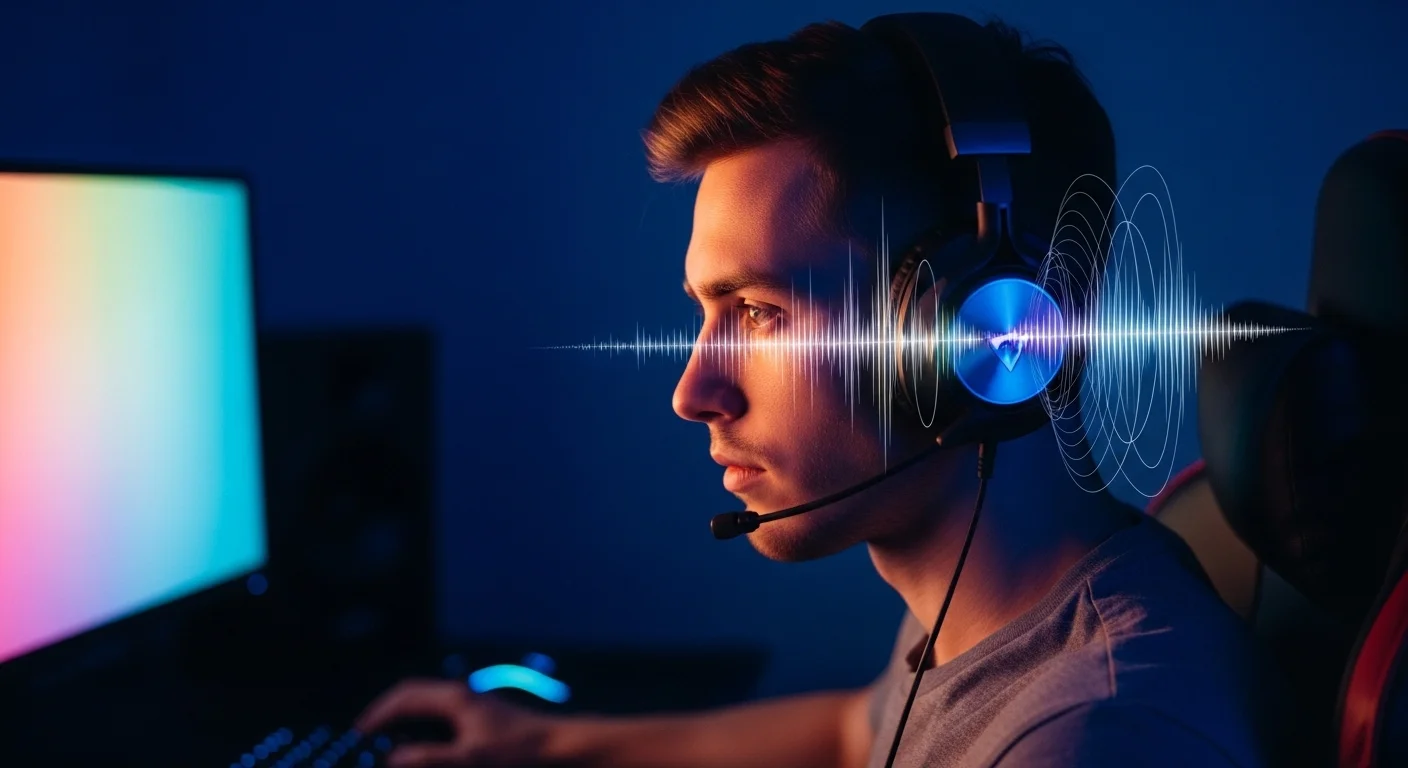
There’s something almost magical about how the right music can transform an experience. I remember the first time I noticed adaptive music in a video game, the tension building as enemies approached, then seamlessly shifting to triumphant chords after victory. That moment sparked my fascination with how technology shapes our emotional responses through sound.
Today, adaptive background music systems have evolved far beyond basic gaming soundtracks. They’re reshaping everything from retail environments to meditation apps, and honestly, most people don’t even realize they’re experiencing them.
Understanding Adaptive Background Music

At its core, adaptive background music refers to audio systems that modify musical elements in real time based on contextual inputs. Unlike traditional playlists that simply shuffle through predetermined tracks, these sophisticated systems analyze environmental factors, user behavior, or content dynamics to create seamless, responsive soundscapes.
Think about it this way: traditional music is like reading from a script, while adaptive music is more like jazz improvisation guided by intelligent rules. The technology analyzes dozens of variables simultaneously, tempo, mood, intensity, and instrumentation, and adjusts them without jarring transitions.
How These Systems Actually Work
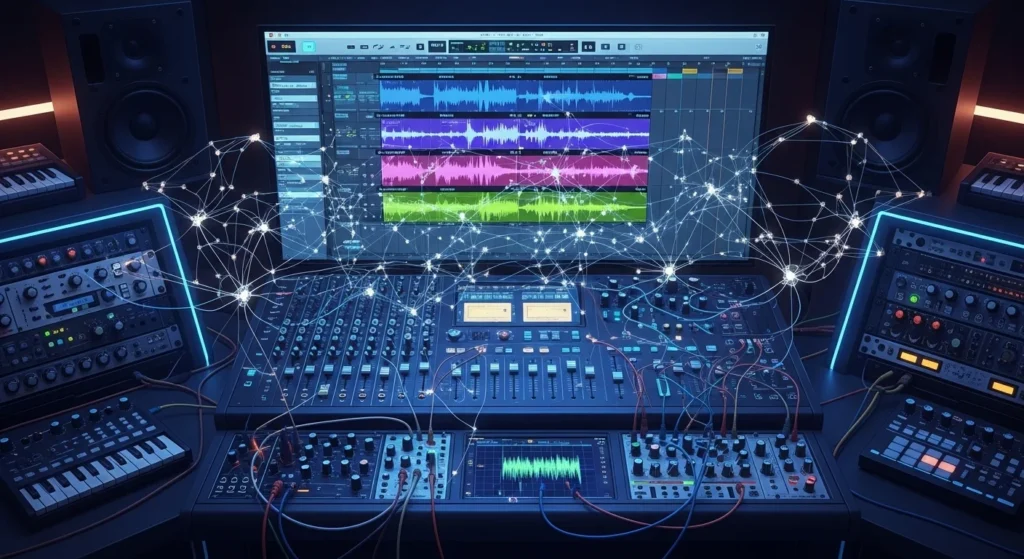
Having spent considerable time researching this space, I’ve found that most adaptive music systems operate on similar foundational principles, though implementation varies significantly.
The process typically begins with composition. Musicians create modular music pieces with interchangeable elements: stems, loops, layers, and transition points. These components are designed to work together in virtually any combination while maintaining musical coherence.
Next comes the algorithmic layer. Machine learning models process input signals whether that’s heart rate data from a fitness tracker, mouse movement patterns in software, or ambient noise levels in a coffee shop. These inputs trigger specific musical responses based on trained parameters.
The real complexity lies in transition management. Anyone who’s heard an awkward audio cut knows how disruptive poor transitions can be. Modern systems use techniques like beat matching, harmonic bridging, and gradual crossfading to maintain natural flow. Some even anticipate changes before they occur, preparing musical elements in advance.
Real World Applications Making Waves

Gaming and Interactive Entertainment
Video games remain the most visible application. Studios like those behind recent AAA titles have implemented remarkably sophisticated systems. Combat sequences feature music that escalates with threat levels, while exploration segments offer ambient layers that respond to weather patterns, time of day, and player proximity to points of interest.
I recently played through a survival horror title where the music system tracked my health, inventory status, and nearby enemy positions. The result was genuinely unsettling the soundtrack seemed to know my emotional state better than I did.
Fitness and Wellness Applications
This might be where adaptive music shows its most practical value. Running apps now adjust tempo to match your pace, then push you harder during interval training. Meditation applications respond to session length, time of day, and even weather conditions to create appropriate soundscapes.
One study I came across showed users demonstrated 23% higher engagement with adaptive meditation soundtracks compared to static alternatives. That’s significant for an industry fighting constant user drop off.
Retail and Hospitality Environments
Major retailers have quietly deployed adaptive systems that modify in store music based on foot traffic, time of day, and even demographic analysis. Morning crowds might hear energizing instrumental tracks, while evening shoppers experience more relaxed selections encouraging leisurely browsing.
Restaurants use similar technology, shifting from upbeat lunch vibes to intimate dinner atmospheres without requiring staff intervention.
Content Creation and Video Production
This application particularly excites me. Adaptive music systems are changing how creators approach video content. Rather than licensing specific tracks and editing around them, creators can now access systems that automatically generate appropriate background music matching their content’s emotional arc.
Benefits Worth Noting
The advantages extend beyond novelty. Creators save substantial time on music selection and editing. Businesses reduce licensing complexity through dynamic generation. Users receive more immersive, personalized experiences without active involvement.
There’s also the accessibility angle. These systems can adapt to hearing preferences, reducing frequencies that cause discomfort or amplifying elements that enhance comprehension for hearing impaired individuals.
Challenges and Honest Limitations
Let’s be realistic about current shortcomings. Musical quality remains inconsistent across platforms. Some systems produce genuinely compelling compositions; others generate what sounds like generic elevator music with fancy algorithms.
Copyright and royalty structures haven’t caught up with the technology. When music morphs continuously, who owns what? How do composers receive fair compensation for modular contributions? These questions lack clear answers.
There’s also the uncanny valley problem. Sometimes adaptive music feels too responsive, creating an eerie sense of being watched or analyzed. Finding the balance between responsiveness and subtlety remains challenging.
The Market Landscape
Several companies have emerged as leaders. Melodrive pioneered gaming applications before pivoting to broader entertainment uses. Amper, now part of Shutterstock, focuses on content creation tools. Endel has carved an impressive territory in wellness applications with its patented soundscape technology.
Smaller players continue entering the market, often targeting niche applications like therapeutic environments or educational settings.
Looking Forward
Where is this heading? My observation suggests integration with spatial computing represents the next frontier. As augmented reality becomes mainstream, adaptive music systems will need to account for three-dimensional positioning, multiple simultaneous users, and real world ambient sounds.
Emotional recognition technology, despite its controversies, will likely deepen these systems’ responsiveness. Imagine music that genuinely understands your mood rather than inferring it from behavioral proxies.
The creative implications fascinate me most. We’re moving toward a future where music isn’t consumed passively but experienced as a dynamic, personalized art form. That transformation will challenge our fundamental understanding of what music is and who creates it.
Frequently Asked Questions
What exactly makes music “adaptive”?
Adaptive music changes its elements tempo, intensity, instrumentation, and mood in real time based on external inputs like user behavior, environmental conditions, or content context.
Do I need special equipment to experience adaptive music?
Not necessarily. Most smartphone apps and modern games include adaptive music features that work with standard headphones or speakers.
Is adaptive music composed by humans or computers?
Usually both. Human composers create modular musical elements, while algorithms determine how these elements combine and transition based on real time inputs.
Does adaptive music cost more than traditional licensing?
Pricing varies widely. Some subscription services actually reduce costs by eliminating per track licensing, while custom implementations for businesses can be expensive.
Can I create adaptive music for my own projects?
Yes. Several platforms offer tools for content creators, though complexity ranges from simple drag and drop interfaces to advanced programming requirements.
Will adaptive music replace traditional composed soundtracks?
Unlikely entirely. Traditional composition offers artistic cohesion that adaptive systems struggle to replicate. Both approaches will likely coexist, serving different needs.