
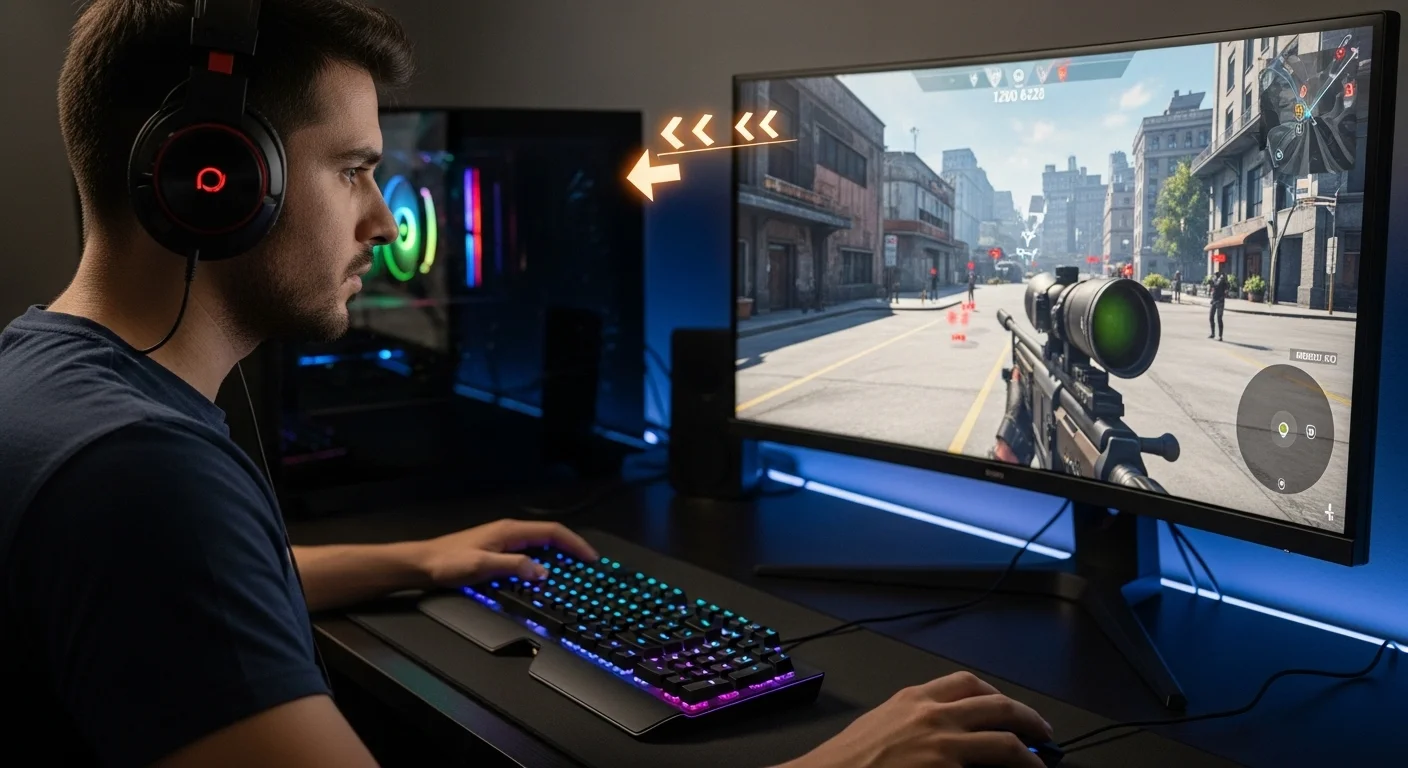
I still remember the first time I saw a game overlay identifying enemy footsteps with directional indicators on screen. A friend who’s partially deaf was playing a competitive shooter, and suddenly, he wasn’t at a massive disadvantage anymore. That moment really drove home just how transformative AI powered sound detection in games has become and we’re only scratching the surface of what’s possible.
Sound has always been a critical component of gaming. Whether it’s the distant crack of a sniper rifle, the creaking floorboards above you in a horror game, or the subtle audio cue signaling an enemy’s ultimate ability is ready, our ears process information our eyes simply can’t catch. But what happens when players can’t rely on audio? That’s where artificial intelligence steps in, and it’s changing how we think about game design, accessibility, and competitive fairness.
Why Sound Detection Matters More Than You’d Think
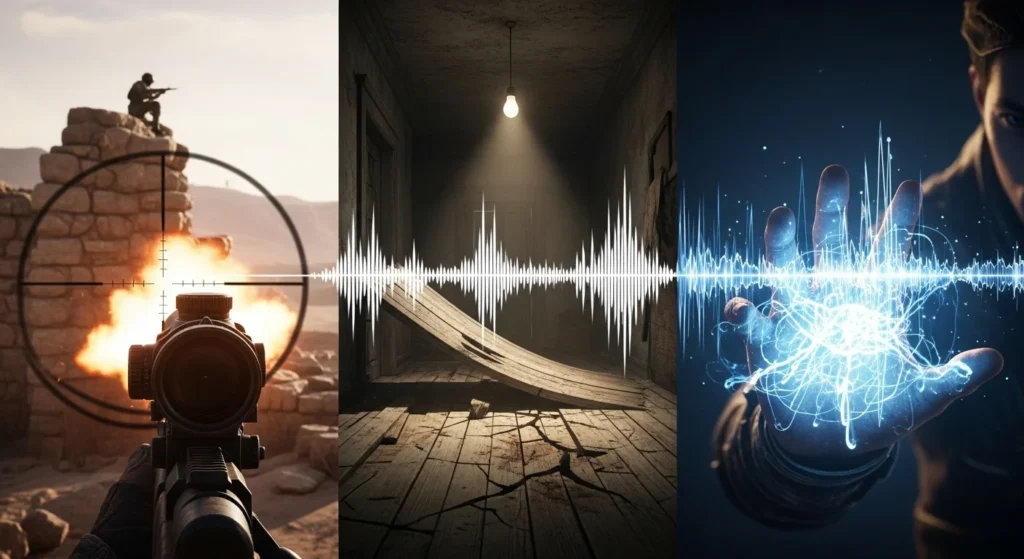
When most people think about gaming AI, they picture smarter enemies or procedurally generated worlds. Sound event detection flies under the radar, but it’s genuinely revolutionary. Games like Forza Horizon and The Last of Us Part II have pushed accessibility features to new heights, and audio to visual systems are a major part of that.
The core challenge is straightforward: teach a system to identify specific sounds within the chaotic audio landscape of a video game. Unlike controlled environments, games throw everything at you simultaneously: background music, ambient noise, character dialogue, and crucial gameplay sounds all competing for attention. An AI system needs to parse through this layered soundscape and pick out what matters.
I’ve spent time looking at how these systems work in practice, and the evolution has been remarkable. Early implementations were basically glorified audio meters that triggered when certain frequency ranges spiked. Pretty crude. Modern systems use machine learning models trained on thousands of audio samples to recognize specific sound signatures with impressive accuracy.
How the Technology Actually Works
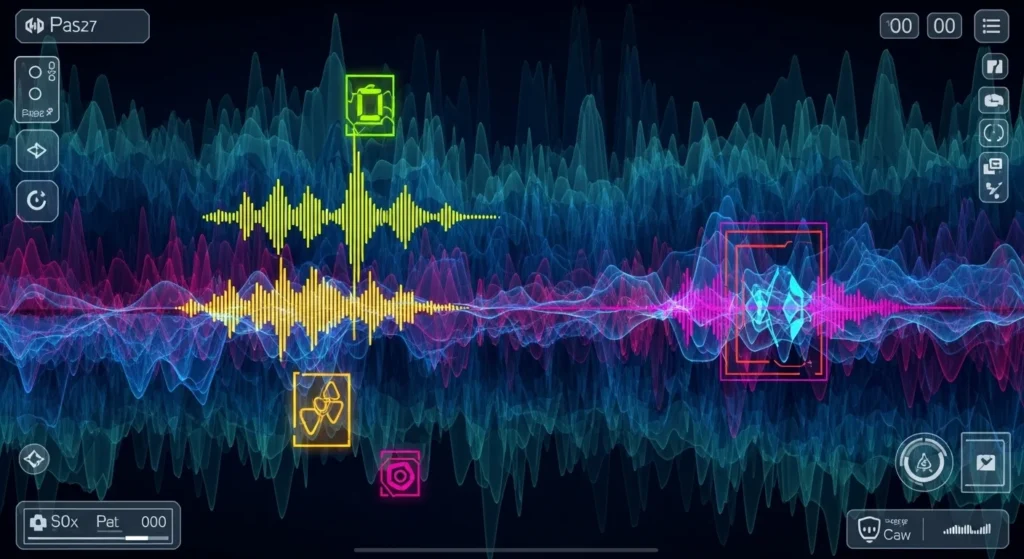
The technical foundation relies on something called audio event detection, which sounds fancier than it is. Essentially, the AI analyzes the audio stream in real time, breaking it down into spectrograms, visual representations of sound frequencies over time. Think of it like converting sound into a picture that the AI can “see.”
Training these models requires massive datasets. Developers collect recordings of every important sound event: footsteps on different surfaces, weapon fire from various distances, vehicle engines at different RPMs, door mechanisms, healing item usage, you name it. The AI learns the unique acoustic fingerprint of each sound.
What makes this tricky is context. A footstep in Counter Strike sounds completely different from one in Resident Evil Village, even though they’re fundamentally the same action. The AI needs game specific training, which is why you can’t just plug and play a universal solution across all titles. Some third party applications try to offer cross game support, but in my experience, they’re hit or miss unless they’ve been specifically fine tuned for each game.
Real World Applications That Actually Matter
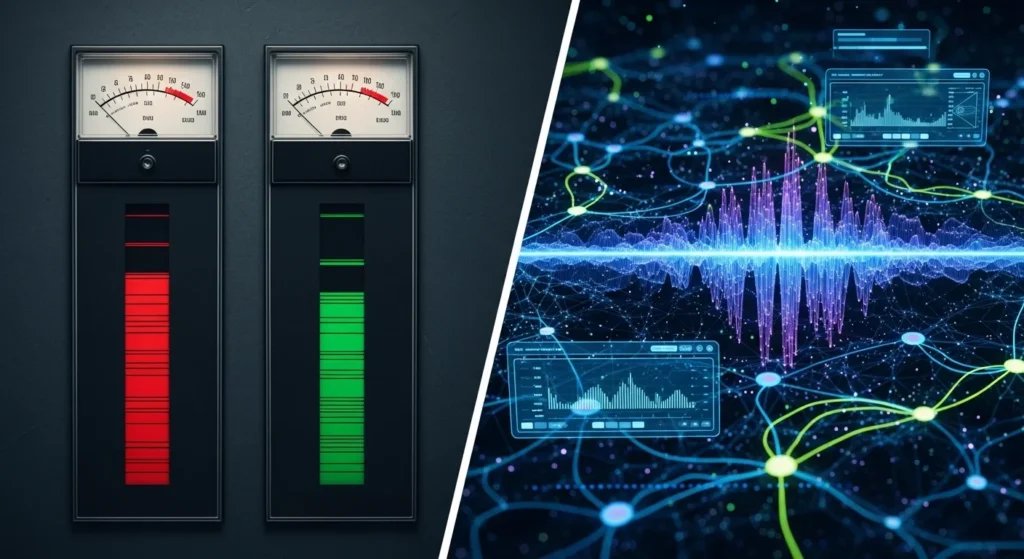
Accessibility remains the killer app. Games are increasingly implementing visual sound indicators, those directional markers that show where sounds are coming from and what type they are. Apex Legends does this particularly well with its visual audio option, displaying everything from gunfire to ability usage as on screen indicators with distance and direction. Players who are deaf or hard of hearing suddenly have access to critical spatial information they’d otherwise miss entirely.
But the applications extend beyond accessibility. Streaming and content creation benefit enormously. Some systems can automatically detect and flag significant audio events during gameplay recording, making it easier to create highlight reels. Imagine streaming software that automatically bookmarks moments when boss music starts, weapons are fired, or achievements are unlocked.
Anti cheat systems are another frontier. By analyzing what audio information a player could realistically hear versus what actions they take, detection systems can identify players using sound based wallhacks or other exploits. If someone consistently reacts to footsteps that are acoustically too quiet or directionally impossible to pinpoint, that raises red flags.
Game analytics and testing also leverage this technology. Developers can track which sound events players encounter, how often certain audio cues are missed, and whether important sounds are getting drowned out by music or ambient noise. This feedback loop helps balance audio mixing for a better player experience.
The Challenges Nobody Talks About
Here’s the thing: this technology isn’t perfect, and anyone claiming otherwise is selling something.
Processing overhead is real. Running AI powered audio analysis in real time while maintaining high framerates takes computational muscle. Older systems or budget gaming rigs can struggle. I’ve tested setups where enabling visual audio features knocked 10 15 frames per second off performance. For competitive players, that’s a non starter.
Accuracy varies wildly depending on implementation quality. Cheaper solutions generate false positives, constantly labeling ambient wind as footsteps or confusing weapon types. In high-pressure competitive scenarios, misleading information is worse than no information.
Competitive balance concerns are legitimate. Some purists argue that audio-based gameplay requires skill learning to distinguish sounds, judge distances, and identify weapons by their report. When AI systems provide perfect information visually, does that eliminate a skill component? It’s a fair debate. My take is that accessibility trumps maintaining barriers to entry, but I understand the counterargument.
Privacy considerations sometimes get overlooked. Some detection systems analyze all system audio, not just game output. If you’re chatting with friends or listening to music, that data potentially gets processed too. Reputable solutions isolate game audio, but not all do, and users should be aware of what they’re agreeing to.
Where Things Are Heading
The technology keeps improving. Directional audio AI is getting sophisticated enough to work with spatial audio formats like Dolby Atmos, providing extremely precise 3D positioning of sound sources. That’s crucial for VR applications where spatial awareness is everything.
Personalization is another trend. Imagine systems that learn your hearing profile, maybe you struggle with high frequencies or can’t distinguish certain sounds. The AI could emphasize those specific events or translate them into visual or haptic feedback tailored to your needs.
Cross modal sensory substitution sounds like science fiction, but it’s happening now. Converting audio events into haptic feedback through controllers or even specialized vests. You feel the direction and intensity of sounds through vibration patterns. Combine that with AI recognition, and you’re creating entirely new ways to experience games.
Integration with game engines is becoming standard. Unity and Unreal Engine both support plugins for audio event detection, making it easier for developers to implement these features natively rather than relying on third party overlays. That’s a big deal for consistency and performance.
Practical Considerations for Players
If you’re interested in trying these systems, a few pointers from someone who’s experimented extensively:
Start with native in game options when available. They’re optimized for that specific title and won’t impact performance as much as external solutions. Check accessibility settings. Many games have visual and audio features you might not know about.
For third party applications, read the privacy policy carefully. Understand what data is collected and whether audio processing happens locally or gets sent to cloud servers.
Test performance impact systematically. Monitor your framerates before and after enabling sound detection. If you’re losing significant performance, it might not be worth it unless you absolutely need the accessibility support.
Be aware of competitive rule sets. Some esports tournaments have specific regulations about assistive technologies. What’s perfectly fine for casual play might be restricted in competitive contexts.
Final Thoughts
AI powered sound event detection represents one of those rare technologies that make gaming genuinely more inclusive without dumbing anything down. Sure, there are legitimate debates about implementation and competitive balance, but the core capability giving everyone access to crucial audio information regardless of their hearing ability is unambiguously positive.
The technology will keep improving. Models will get more accurate, processing will get more efficient, and integration will become seamless. We’re moving toward a future where adaptive, intelligent audio systems are just expected features, not experimental additions.
What excites me most is the potential we haven’t explored yet. Imagine an AI that doesn’t just detect sounds but understands acoustic context, identifying not just that a door opened, but whether it was forced or unlocked normally. Or systems that can distinguish between friendly and enemy footsteps based on subtle timing patterns before you ever see the player.
We’re still in the early chapters of this story, but it’s already changing lives. And honestly? That’s pretty damn cool.
Frequently Asked Questions
What games currently support AI sound detection features?
Many modern games include visual audio options, including Apex Legends, Fortnite, The Last of Us Part II, Gears 5, and Far Cry 6. The implementation quality varies, with some offering basic indicators and others providing detailed directional and distance information.
Does using sound detection give an unfair advantage in competitive gaming?
This is debated. These features are primarily designed for accessibility, allowing deaf and hard of hearing players to access information that hearing players get naturally. Most competitive communities accept them as legitimate accessibility tools rather than cheating.
Can I add sound detection to games that don’t have it built in?
Yes, third party applications and overlays can provide sound detection for various games. However, they typically work less reliably than native implementations and may impact performance more significantly.
How much computing power do these systems require?
Modern implementations are increasingly efficient, but real time audio analysis does require processing power. Impact varies from negligible on high end systems to noticeable on older hardware. Native game features are typically more optimized than third-party solutions.
Will this technology work with my hearing aids or cochlear implants?
Visual sound indicators work independently of your hearing devices since they display information on the screen. This makes them valuable for players with any degree of hearing loss, regardless of whether they use assistive hearing technology.