
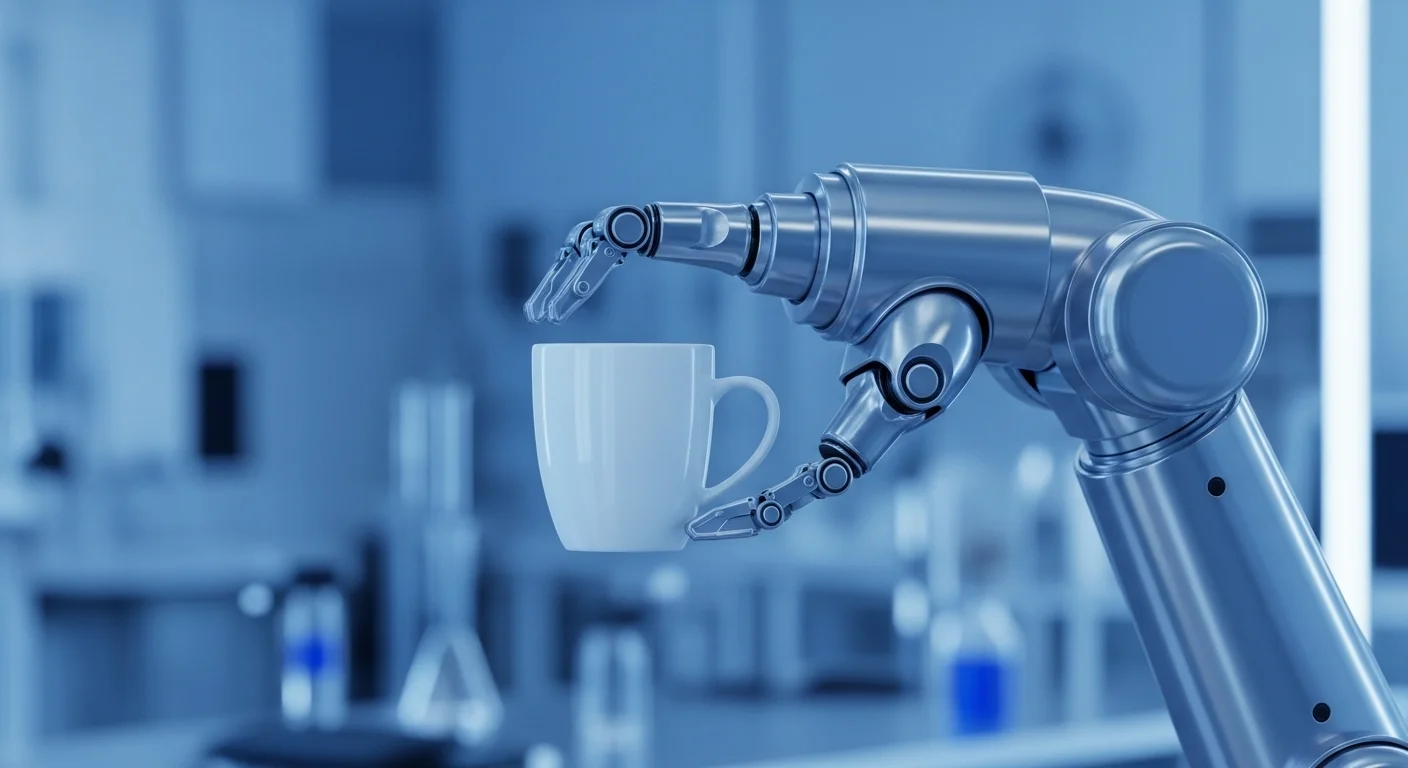
I remember watching a robot arm fumble with a coffee mug about six years ago at a research facility in Boston. The machine kept misjudging the grip, treating the ceramic handle as if it were made of steel. Fast forward to last month, and I witnessed a similar robot not only pick up that mug but also adjust its grip based on the liquid sloshing inside. That shift tells you everything about where we’ve come with AI-controlled object interactions.
Understanding the Basics of Object Interaction AI
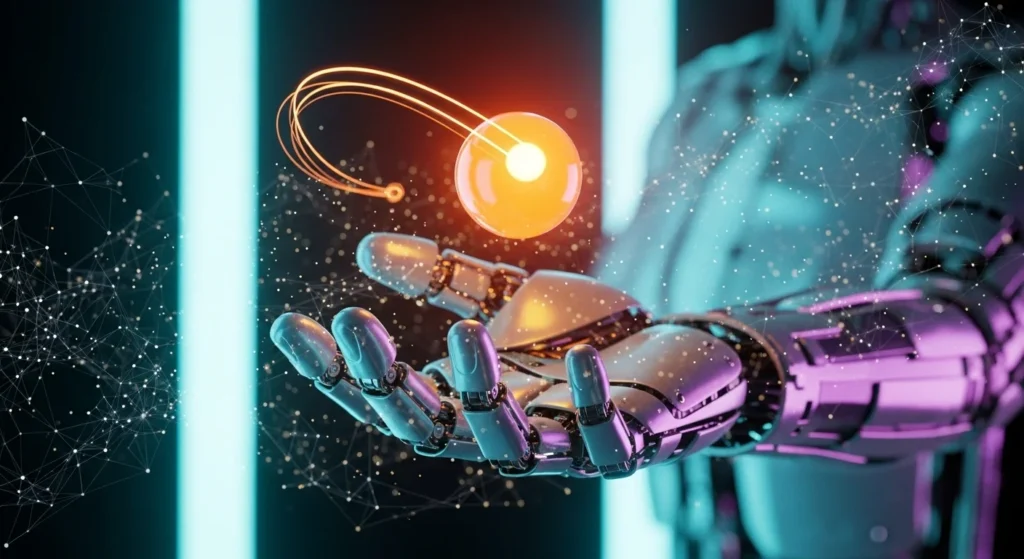
At its core, AI controlled object interaction refers to systems that can perceive, plan, and execute physical manipulations of objects in real or virtual environments. This isn’t just about robots picking things up. We’re talking about intelligent systems that understand weight distribution, surface friction, material properties, and spatial relationships.
Think about how you catch a ball someone throws at you. Your brain processes trajectory, speed, rotation, and wind resistance in milliseconds. You adjust your hand position, calculate the squeeze pressure needed, and execute all without conscious effort. Teaching machines to replicate even a fraction of this capability has occupied researchers for decades.
The breakthrough came when engineers stopped trying to program every possible scenario and started letting AI learn from experience. Machine learning models, particularly reinforcement learning algorithms, now allow systems to develop an intuitive understanding through trial and error, much like humans do.
Real World Applications Transforming Industries
Warehouse Automation and Logistics
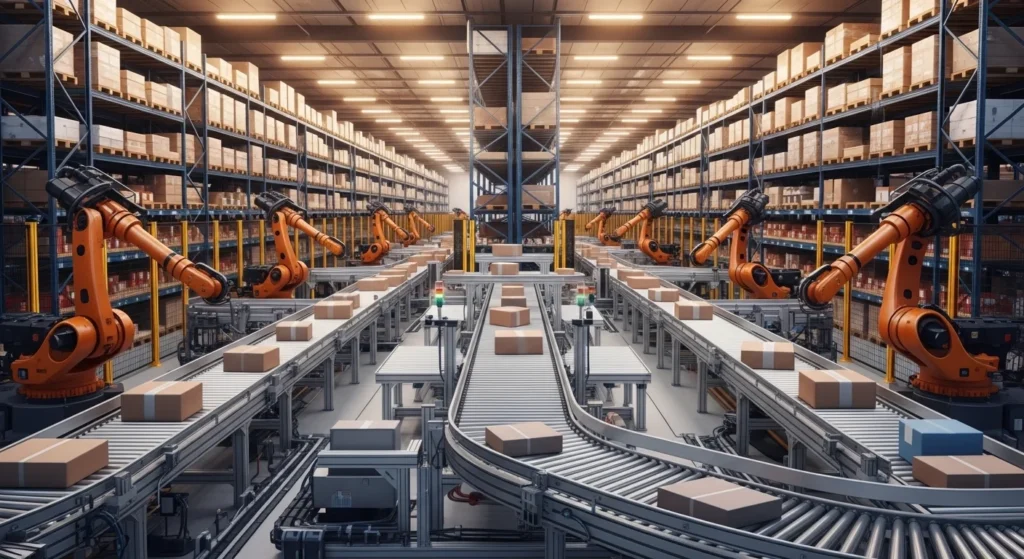
Amazon’s fulfillment centers showcase some of the most advanced object interaction AI currently deployed at scale. Their robotic systems handle millions of products with wildly different shapes, sizes, and fragility levels. I toured one of their facilities in New Jersey last spring, and watching these machines sort through inventory was genuinely impressive.
The AI doesn’t just identify objects it predicts how they’ll behave. A bag of chips requires different handling than a hardcover book. The system calculates grip points, determines optimal placement angles, and even anticipates how items might shift during transport.
Surgical Robotics
Da Vinci surgical systems represent another fascinating application. These machines assist surgeons by providing enhanced precision and reduced hand tremor during delicate procedures. The AI component interprets surgeon movements and filters out unintentional micro-movements while maintaining intended actions.
A cardiac surgeon I interviewed mentioned that the learning curve surprised her. “The system adapts to your style,” she explained. “After a few procedures, it seems to anticipate what you’re trying to accomplish.” That adaptive quality comes from AI analyzing interaction patterns and optimizing responses accordingly.
Autonomous Vehicle Navigation
Self driving cars present perhaps the most complex object interaction challenge. The AI must simultaneously track hundreds of moving and stationary objects, predict their behaviors, and plan safe maneuvers through crowded environments.
Waymo and Cruise have accumulated millions of real world driving miles, feeding their neural networks with countless examples of how vehicles, pedestrians, cyclists, and debris interact. The systems learn that a child’s ball rolling into the street might be followed by the child themselves, a prediction requiring understanding of behavioral patterns, not just physics.
The Technology Behind the Magic
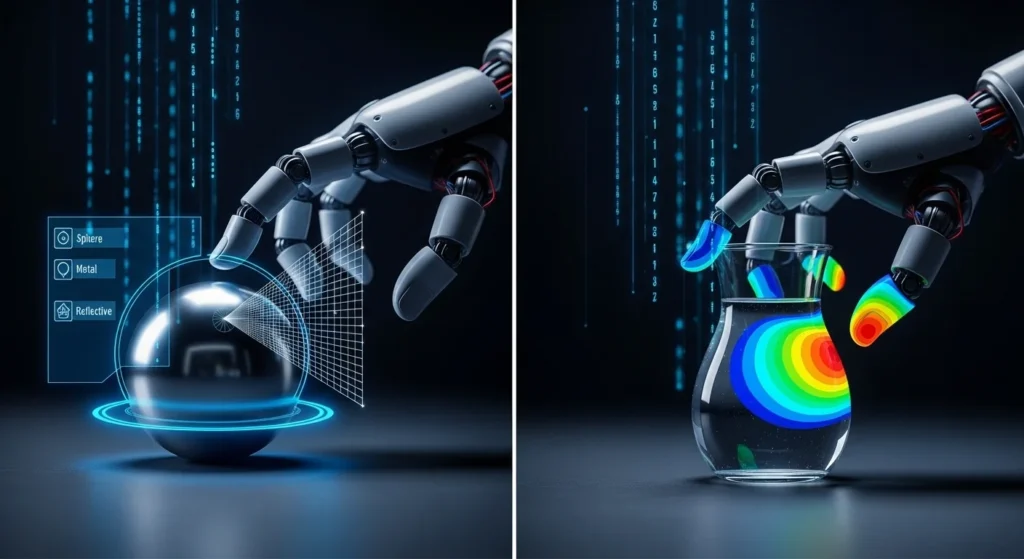
Modern object interaction AI typically combines several technological approaches:
Computer vision provides the sensory input, using cameras, LiDAR, and depth sensors to create detailed environmental models. These systems have improved dramatically, now capable of recognizing objects in challenging lighting conditions and partial occlusion.
Physics simulation engines allow AI to mentally rehearse interactions before executing them. When a robot plans to stack boxes, it runs thousands of virtual simulations to predict outcomes and select optimal approaches.
Tactile sensing adds another dimension. Force sensitive surfaces and artificial skin give machines feedback about pressure, texture, and temperature critical information for handling fragile or irregular objects.
Challenges and Limitations
Despite remarkable progress, significant hurdles remain. Generalization continues to plague researchers. An AI trained to handle kitchen utensils might fail when presented with gardening tools, even if the physical properties seem similar to humans.
The computational requirements also present practical limitations. Real time object interaction demands massive processing power, which translates to energy consumption and cost concerns for widespread deployment.
Safety considerations deserve serious attention as well. When machines interact with humans in shared spaces, whether collaborative robots in factories or autonomous vehicles on public roads, the consequences of errors can be severe. Engineers must build robust fail safes without making systems so cautious that they become impractical.
Looking Ahead
The next frontier involves what researchers call “zero shot” interaction AI that can handle completely novel objects without specific training. Imagine robots that could unpack your moving boxes and correctly place unfamiliar items throughout your new home.
Haptic feedback integration is advancing rapidly, too. Future systems will likely feel objects with sensitivity approaching human touch, enabling applications from remote surgery in space to delicate archaeological excavation.
What excites me most is the democratization of this technology. Five years ago, sophisticated object manipulation required million dollar research equipment. Today, hobbyists build capable systems using affordable hardware and open source software. That accessibility will accelerate innovation in ways corporate labs alone couldn’t achieve.
Final Thoughts
AI controlled object interaction represents one of the most tangible manifestations of artificial intelligence. Unlike chatbots or recommendation algorithms, these systems operate in our physical world, moving real things in real time. The progress over the past decade has been remarkable, though we’re still far from matching human dexterity and adaptability.
What we’re witnessing is machines learning to dance with the physical world sometimes gracefully, sometimes clumsily, but always improving. Whether that future excites or concerns you probably depends on how well we manage the transition and ensure these powerful tools serve human needs.
Frequently Asked Questions
What is AI controlled object interaction?
It refers to artificial intelligence systems that can perceive, plan, and physically manipulate objects in real or simulated environments, understanding properties like weight, texture, and spatial relationships.
Where is this technology currently being used?
Primary applications include warehouse automation, surgical robotics, autonomous vehicles, manufacturing assembly lines, and household robots.
Is this technology safe around humans?
Modern systems include safety protocols like force limiting and collision detection, though risks exist. Collaborative robots undergo extensive testing before deployment in human environments.
How do robots learn to handle different objects?
Most modern systems use machine learning, particularly reinforcement learning, where robots practice interactions and improve through trial and error rather than explicit programming.
When will household robots become common?
While basic robots exist today, truly capable home assistants handling diverse tasks are likely five to ten years away from mainstream adoption due to remaining technical and cost challenges.