
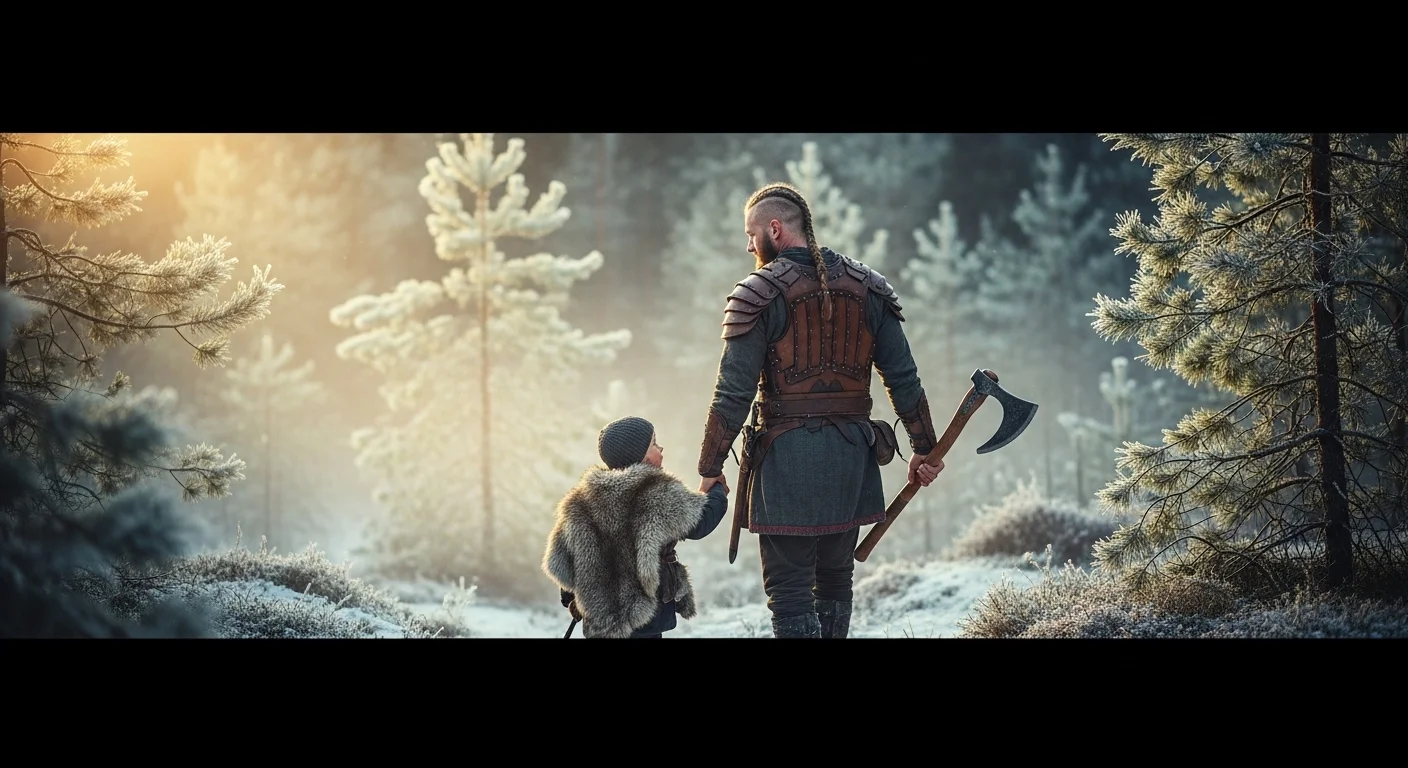
I’ll never forget the first time I really noticed a game’s camera work. I was playing God of War 2018, and during a particularly intense combat sequence, the camera pulled back just enough to frame Kratos against a collapsing temple backdrop. It wasn’t a cutscene; this was happening in real time, during gameplay I was controlling. That moment crystallized something I’d been feeling for years: the camera in modern games isn’t just a window into the action anymore. It’s become a storytelling partner, and increasingly, it’s powered by some seriously clever AI systems.
What Makes a Camera “Cinematic”?
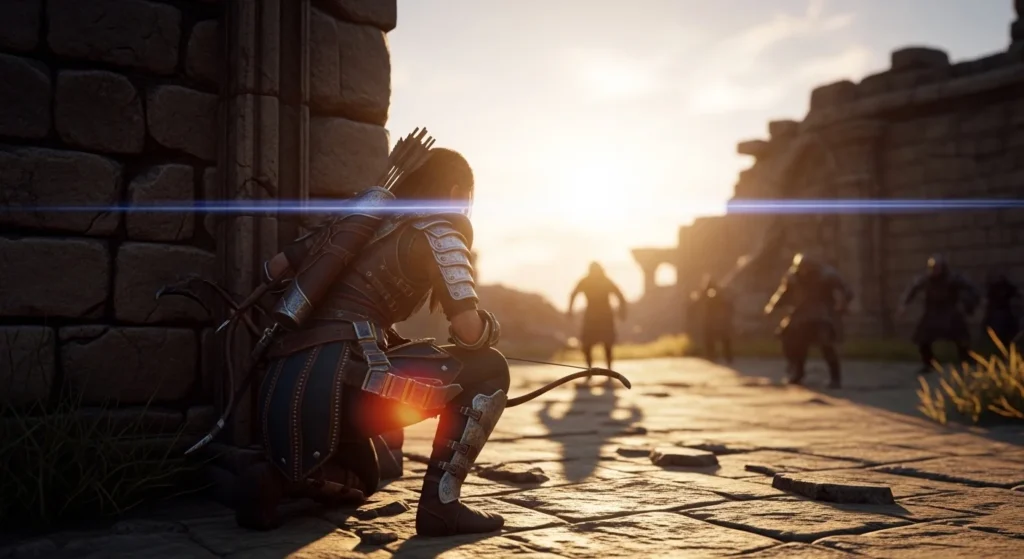
Before diving into the AI side of things, let’s talk about what we actually mean by “cinematic” cameras in games. Traditional game cameras were pretty straightforward; they followed your character from a fixed distance or angle. Think of early 3D games where the camera sometimes got stuck behind walls or gave you awkward views during crucial moments.
Cinematic cameras, by contrast, operate more like an intelligent film crew. They understand composition, pacing, dramatic tension, and spatial relationships. They know when to pull in tight during an intimate dialogue moment and when to sweep wide to showcase an epic landscape. The difference is palpable when you experience it.
How AI Changed the Game
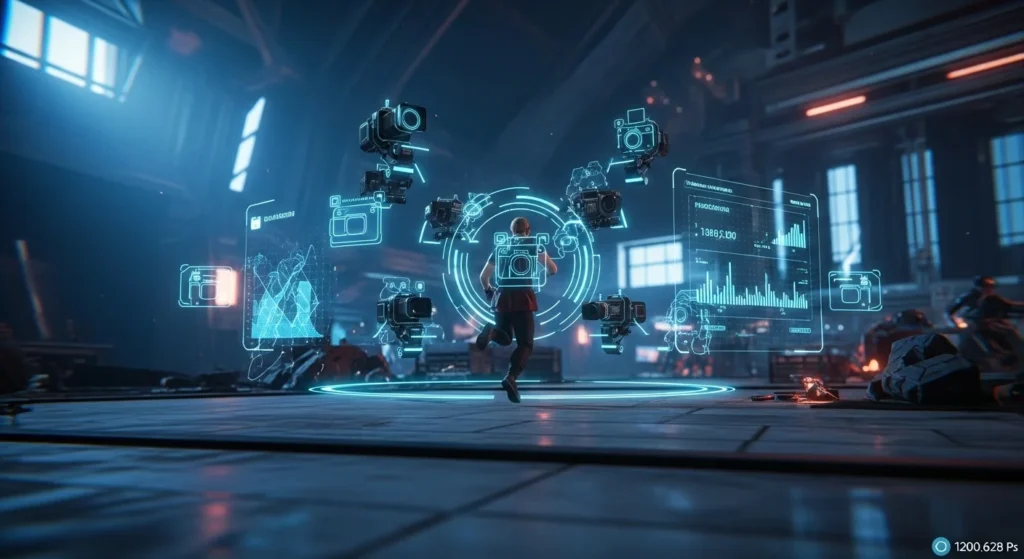
The real breakthrough came when developers started implementing AI driven camera systems that could make decisions on the fly. Rather than following pre-programmed paths or simple tracking rules, these systems evaluate multiple factors simultaneously, character position, environmental geometry, action intensity, audio cues, and even player behavior patterns.
I’ve spoken with several game developers over the years, and they’ve explained that modern cinematic camera AI typically works through a scoring system. The camera constantly evaluates dozens of potential positions and angles, assigning scores based on various criteria: Does this angle show the player’s face? Is the horizon line balanced? Are important gameplay elements visible? Is anything occluding the view?
The system then blends between high scoring positions smoothly, creating that film like quality we associate with prestige television and cinema. But here’s the tricky part: it has to do all this without making players motion sick or, worse, causing them to miss a jump because the camera decided to get artistic at the wrong moment.
The Balancing Act Between Beauty and Function
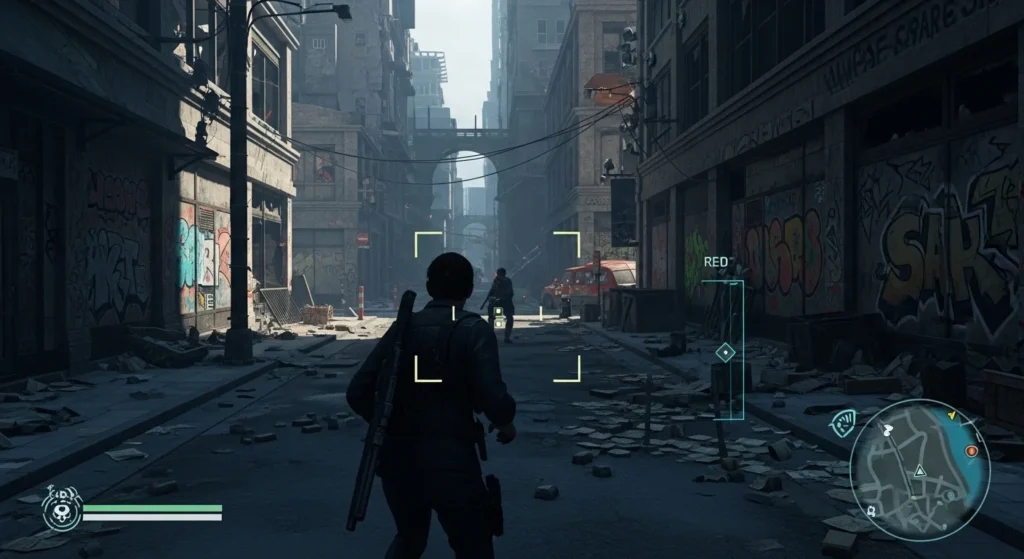
This tension between cinematic flair and practical gameplay is where things get really interesting. I’ve played plenty of games that looked gorgeous but felt terrible to control because the camera was too busy being “cinematic” to be useful.
The Last of Us Part II strikes an impressive balance here. During exploration, the camera positions itself to highlight environmental storytelling graffiti on walls, environmental clues, and the path forward. But the moment combat starts, it subtly shifts priorities, ensuring you can see threats while maintaining that over-the-shoulder framing that’s become the series’s signature.
The AI isn’t just tracking Ellie’s position; it’s reading the game state. It knows when you’re in stealth mode versus open combat. It understands that showing an enemy’s approach from a certain angle builds tension, but showing it too late frustrates players. This contextual awareness is what separates good camera AI from great camera AI.
Learning from Player Behavior
Some of the more sophisticated implementations actually adapt to individual players over time. If you frequently manually adjust the camera to look upward, the system might start favoring slightly lower default angles. If you’re constantly fighting the camera in tight spaces, it might adjust its collision detection parameters.
This personalization happens subtly, in the background. Most players never consciously notice it, which is exactly the point. The best camera work in games, like the best camera work in films, goes unnoticed when done well. You only really notice when it’s bad.
Technical Challenges and Clever Solutions
One of the biggest headaches for cinematic camera AI is environmental occlusion, that annoying moment when a wall or object blocks your view. Early solutions were clunky: make the wall transparent or cut to a different angle abruptly.
Modern systems use predictive algorithms to anticipate potential occlusion before it happens. If you’re running toward a narrow doorway, the camera might adjust its angle slightly in advance, ensuring you never lose sight of your character. Some games use what’s called “soft collision,” where the camera can clip slightly into certain environmental materials like foliage or cloth. without completely penetrating solid walls.
The tech behind this involves constant raycasting; the camera is essentially shooting invisible lines to check what’s between it and the player character, evaluating those paths hundreds of times per second. When combined with procedural animation and smart interpolation, the result feels organic rather than mechanical.
The Future: Procedural Cinematography
Looking ahead, I’m particularly excited about procedural cinematography systems that can generate genuinely novel camera moves based on dramatic principles. We’re already seeing early versions of this in games with photo modes and replay systems that can automatically generate highlight reels.
Imagine a camera system that understands film grammar well enough to know that a dolly zoom, the “Jaws effect” creates unease, or that a slow push in builds anticipation. These systems could dynamically create these moments during gameplay based on narrative context and player actions.
Some experimental projects are exploring cameras that can recognize “screenshot worthy” moments and subtly frame them better in real time. That epic moment when you defeat a boss, or when you reach a vista, the camera knows these moments matter and positions itself accordingly.
The Human Touch Still Matters
Despite all this automation and intelligence, human designers remain essential. Someone still needs to define what “good” cinematography means for a particular game. The AI works within parameters and rules established by people who understand both filmmaking and game design.
I think of it like this: the AI is an incredibly skilled camera operator who never gets tired and has superhuman reaction times, but the director of photography, the person setting the visual style and making creative decisions, is still human.
The best implementations of cinematic camera AI are collaborative tools that amplify human creativity rather than replacing it. They handle the tedious moment to moment adjustments while preserving the artistic vision that makes each game visually distinctive.
Wrapping Up
AI driven cinematic cameras represent one of those quiet revolutions in game development, not flashy enough to make headlines, but profound enough to fundamentally change how we experience interactive entertainment. They’ve transformed games from feeling like “playing a game” to feeling like “being in a movie you control,” blurring that line in ways that would have seemed impossible twenty years ago.
The technology continues to evolve rapidly, and I expect we’ll see even more sophisticated implementations in the coming years. But the core challenge remains the same: creating camera systems that serve both the artistic vision and the player’s needs, moment by moment, throughout an entire game. It’s a tough problem, but watching talented developers crack it has been one of the genuine pleasures of following this industry.
FAQs
What is an AI cinematic camera in games?
It’s a camera system that uses artificial intelligence to automatically position and move the game camera in ways that mimic professional cinematography, making gameplay feel more like a film while maintaining playability.
Do all modern games use AI cameras?
No, but most AAA action adventure and story-driven games now incorporate some level of intelligent camera systems. Simpler games or those prioritizing gameplay over presentation may use more traditional camera controls.
Can I turn off cinematic cameras if I don’t like them?
This varies by game. Some titles offer camera settings that let you adjust assistance levels, motion, or field of view. Others have the cinematic system deeply integrated with limited customization options.
Do cinematic cameras cause motion sickness?
They can for some players, especially if the camera moves too dynamically or unpredictably. Most games include accessibility options to reduce camera motion or effects that might trigger discomfort.
How much control do developers have over AI cameras?
Complete control. Developers create the rules,