
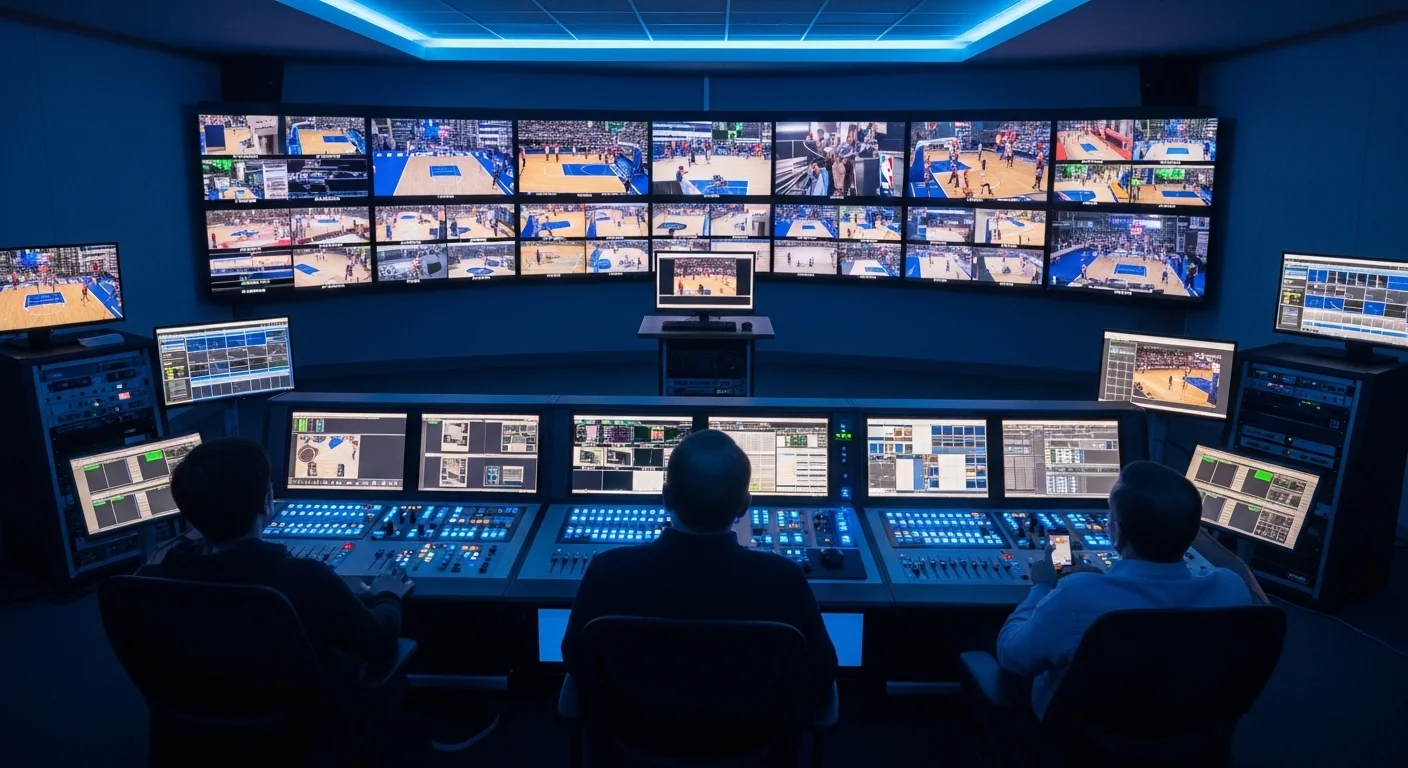
I remember standing in a broadcast control room five years ago, watching seven operators manually switch between twelve cameras during a basketball game. The chaos was controlled but intense. Today, I visit similar facilities where two people manage twenty cameras, and honestly, the footage looks better. The difference? Artificial intelligence that adjusts camera angles in real-time, making split-second decisions that once required entire teams.
What Dynamic Camera Adjustment Actually Means
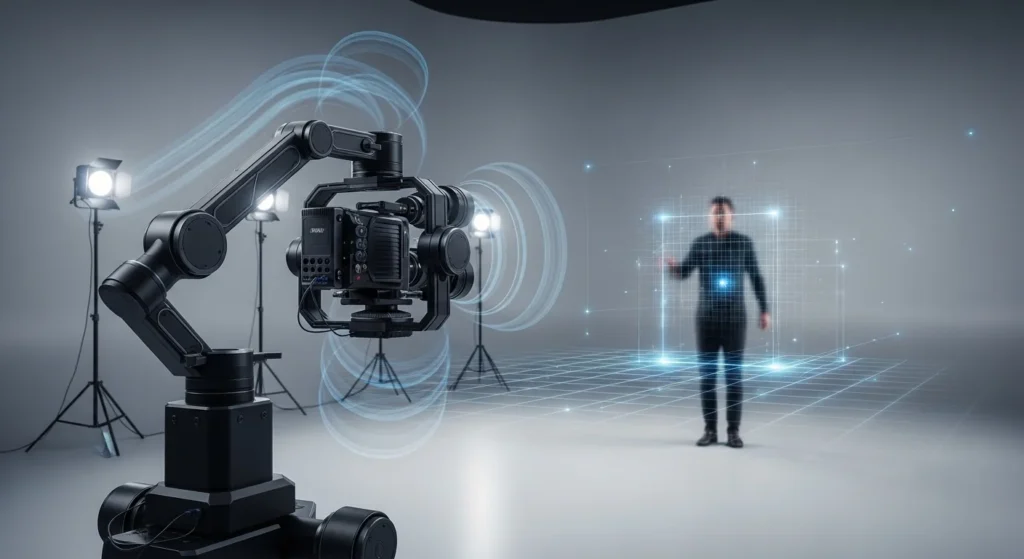
When we talk about AI adjusting camera angles dynamically, we’re describing systems that analyze visual scenes and automatically reframe, pan, zoom, or switch between multiple viewpoints without human intervention. This isn’t just autopilot recording. These systems understand context, predict movement, and make creative decisions based on what’s happening in the frame.
Think of it like having a cinematographer who never blinks, never gets distracted, and processes information from multiple angles simultaneously. The technology combines computer vision, machine learning algorithms, and sophisticated tracking systems to determine the optimal shot at any given moment.
The Sports Broadcasting Revolution
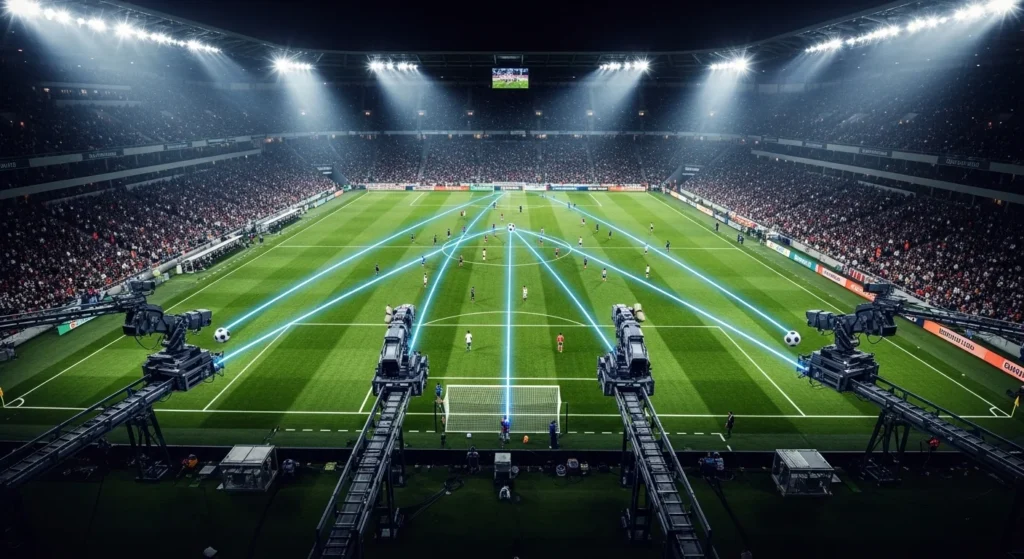
Sports production has embraced this technology faster than any other industry, and for good reason. During a soccer match, the ball moves constantly across a massive field while twenty two players create countless potential stories. Traditional coverage required experienced directors who anticipated plays and camera operators who tracked action instinctively.
Now, major leagues use AI powered camera systems that track player movements, follow the ball automatically, and even anticipate where action will develop. The English Premier League implemented Intel’s True View system several years back, capturing matches from dozens of angles simultaneously. The AI determines which perspectives create the most compelling viewing experience.
I spoke with a technical director at a regional sports network last spring who told me something fascinating. Their AI system learned to recognize when a quarterback was about to throw before the release. It pre positions cameras accordingly, capturing the receiver at the perfect moment. That kind of predictive framing was nearly impossible with purely human crews.
Video Conferencing Gets Smarter
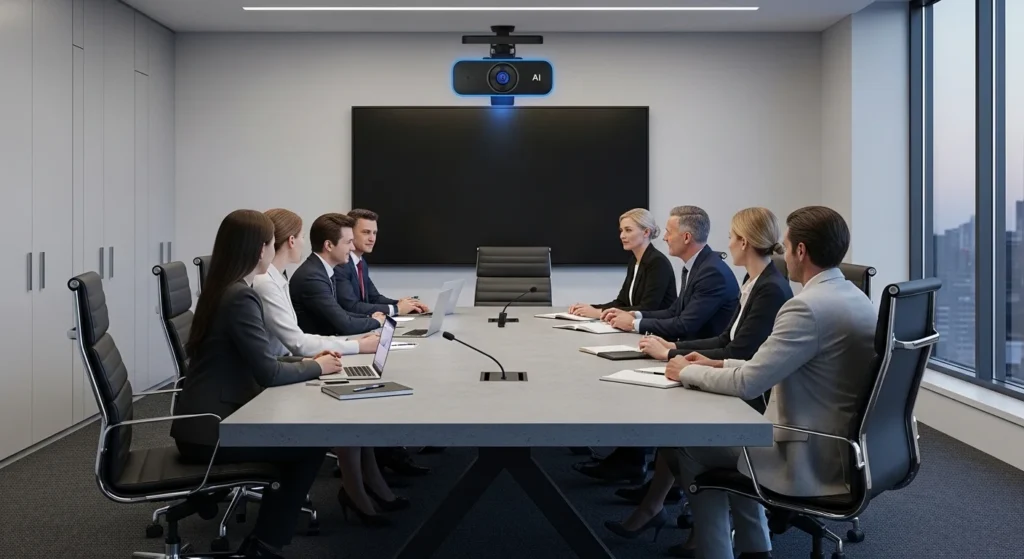
The pandemic accelerated something that was already brewing in conference room technology. Intelligent cameras in meeting rooms now frame speakers automatically, adjusting as conversation flows around the table. Microsoft’s Front Row feature and similar technologies from Poly, Logitech, and others use AI to ensure remote participants see whoever is speaking.
What makes modern implementations impressive is their understanding of group dynamics. These systems don’t just track faces, they recognize when someone is about to speak based on body language, adjusting before words come out. Natural conversation feels natural on screen because the technology anticipates rather than reacts.
A colleague who manages IT infrastructure for a multinational company shared that their meeting room cameras reduced complaints about video call quality by nearly sixty percent. People stopped feeling like they were watching awkward security footage of meetings.
Content Creation and Streaming Applications
YouTubers, streamers, and independent filmmakers have gained access to tools that democratize professional looking production. Software like Nvidia Broadcast and various streaming platforms now offer intelligent framing that keeps creators centered regardless of movement.
For solo content creators, this eliminates the need for constant tripod adjustments or hiring camera operators. A cooking channel host can move freely around their kitchen while AI keeps them perfectly framed. A fitness instructor can demonstrate exercises without worrying about stepping out of the shot.
The technology extends to automated highlight generation, too. Systems analyze footage to identify peak moments, goals, celebrations, and dramatic reactions, and create compilations without human editing. Twitch clips and YouTube Shorts often emerge from AI that recognizes when something interesting happens.
How the Technology Actually Works
Behind these applications sits sophisticated computer vision processing. The systems typically employ convolutional neural networks trained on millions of images to recognize subjects, estimate poses, and understand spatial relationships. Object detection algorithms identify people, balls, vehicles, or whatever the system is designed to track.
Real-time processing happens through specialized hardware dedicated GPUs or purpose-built chips that handle the computational load. Edge computing has become crucial here, processing data locally rather than sending everything to cloud servers, reducing the latency that would make dynamic adjustment feel sluggish.
The “dynamic” part comes from predictive modeling. Rather than simply following subjects, advanced systems build models of likely movement patterns. A basketball player driving toward the basket triggers specific camera behaviors. A speaker raising their hand prompts framing adjustments before gesture completion.
Limitations Worth Acknowledging
This technology isn’t perfect, and pretending otherwise would be dishonest. AI systems occasionally lose tracking in crowded scenes. They sometimes make creative choices that experienced cinematographers would reject. The “uncanny valley” effect appears when movements feel too smooth or too predictable.
Privacy concerns also emerge, particularly with surveillance applications. The same technology that frames conference participants can track individuals without consent. Regulations haven’t kept pace with capabilities, creating ethical gray areas that responsible organizations navigate carefully.
Cost remains prohibitive for some applications. Enterprise grade systems with reliable performance require significant investment. Consumer level solutions work reasonably well but lack the sophistication of professional implementations.
Looking Forward
The trajectory points toward ubiquity. Smartphone cameras already use simplified versions of this technology for subject tracking. Drones follow subjects autonomously using similar principles. Virtual production environments in film increasingly rely on AI camera suggestions.
What excites me most is accessibility. Independent filmmakers accessing tools that once required Hollywood budgets represents a genuine democratization of quality production. A documentary crew of three can capture footage that rivals larger teams from previous decades.
The human element isn’t disappearing, though. AI handles technical execution while creative direction remains firmly human. Directors still decide what story to tell. They’re just freed from mechanical concerns to focus on artistic vision.
Frequently Asked Questions
What equipment do I need for AI powered dynamic camera adjustment?
Basic implementations require modern webcams with built in AI chips or software solutions running on capable computers. Professional setups need PTZ cameras, dedicated processing hardware, and compatible control systems.
Does AI camera adjustment work in low light conditions?
Performance degrades in poor lighting. Most systems struggle with extreme contrast or minimal illumination. Quality improves significantly with consistent, adequate lighting.
Can AI replace professional camera operators entirely?
Not yet. AI handles routine tracking and framing excellently but lacks the creative intuition and storytelling instincts experienced operators bring. The best results combine both.
Is this technology expensive for small businesses?
Entry level solutions start around a few hundred dollars for smart webcams. Enterprise meeting room systems range from several thousand to tens of thousands, depending on sophistication.
How does AI know which person to focus on during meetings?
Systems use voice detection, motion analysis, and sometimes gesture recognition to identify active speakers. Some integrate with meeting software to anticipate turn taking based on raised hand features.