
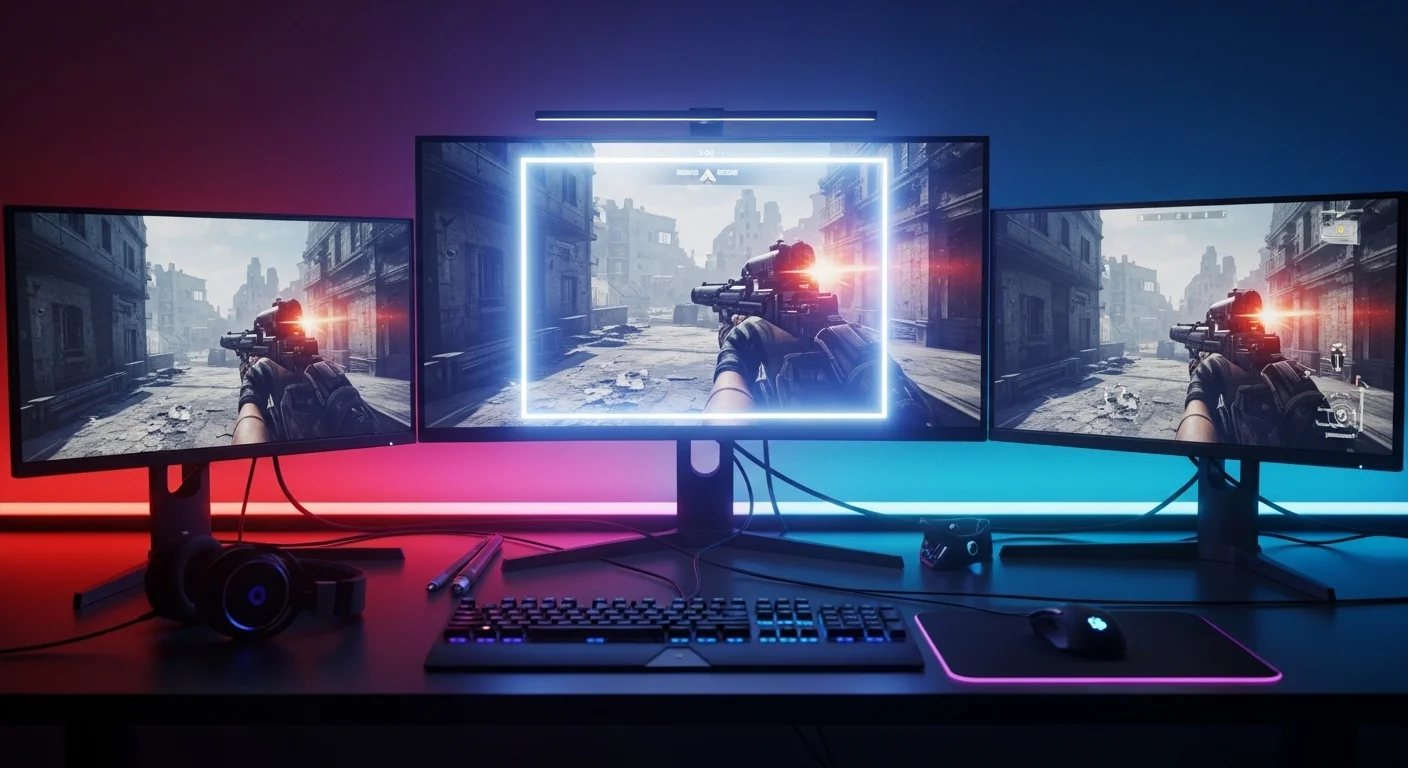
There’s something magical about rewatching your best gaming moments. That clutch headshot, the impossible comeback, the perfectly timed dodge, these moments deserve to be captured. But here’s the problem: traditional recording methods eat up storage, demand constant attention, and often miss the highlights entirely. That’s where AI automated replay systems come into play, and honestly, they’ve changed how I think about preserving gaming experiences.
What Exactly Are AI Automated Replay Systems?
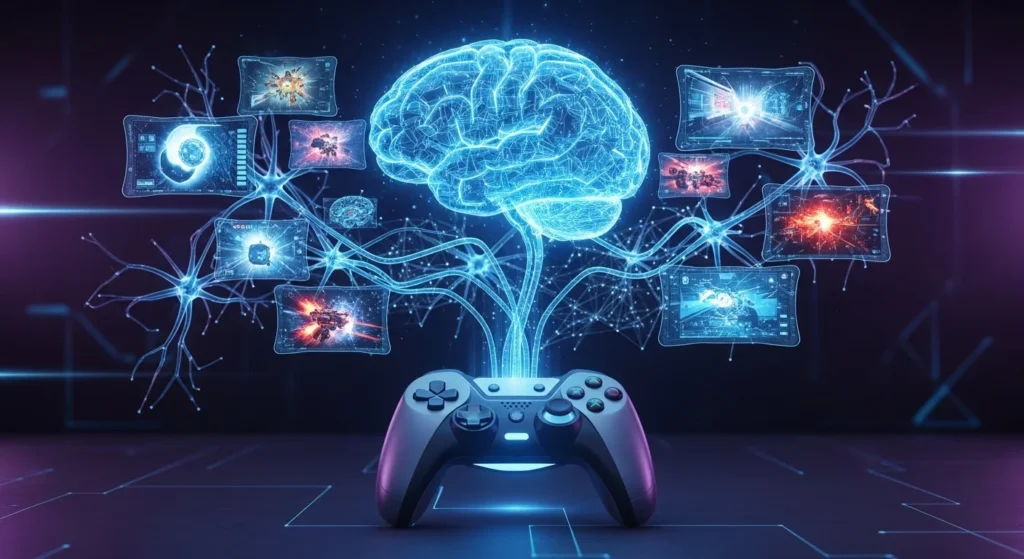
Having spent years covering gaming technology and testing countless systems myself, I can tell you that AI replay systems represent a genuine leap forward. Unlike conventional recording software that blindly captures everything, these intelligent systems analyze gameplay in real time, identifying moments worth saving based on specific criteria.
Think of it like having a personal cameraman who understands gaming. The system recognizes when something significant happens, a multi kill streak, a rare achievement, a close escape, and automatically flags or saves that footage. No manual triggers needed. No hours of footage to sift through later.
The technology powering these systems combines machine learning algorithms with game specific pattern recognition. They’re trained to understand what constitutes an exciting moment within different game contexts. A perfectly executed combo in a fighting game differs vastly from a strategic base capture in an RTS, and modern AI systems grasp these nuances.
How These Systems Actually Work
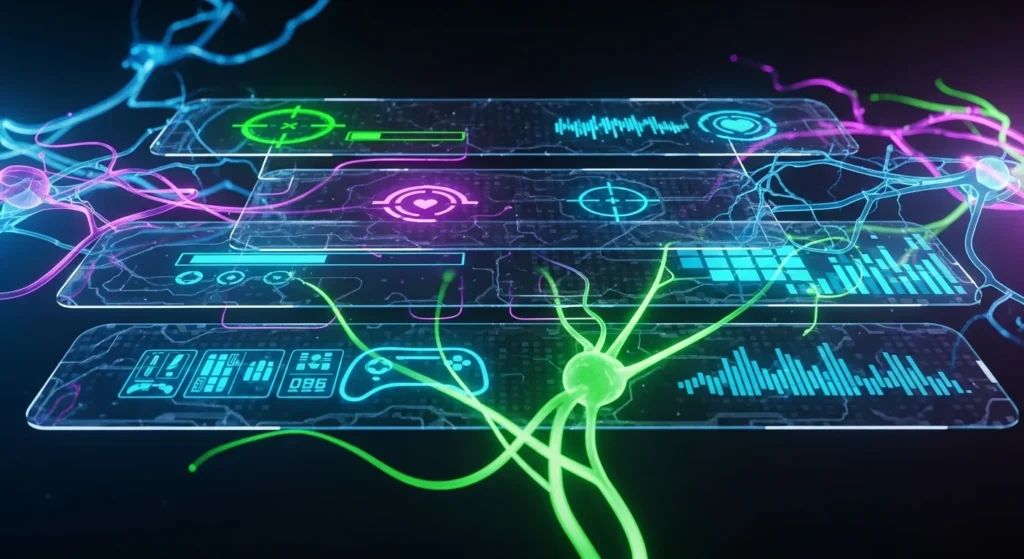
From a technical perspective, AI replay systems operate on multiple layers. The first layer involves constant gameplay monitoring without heavy recording. The system essentially maintains a rolling buffer, think of the last 30 seconds to several minutes of gameplay, sitting in temporary memory.
When the AI detects a noteworthy event, it triggers a save command for that buffer segment. The detection mechanisms vary:
Event Based Triggers:
The system monitors game state data, kills, deaths, objective completions, and achievement unlocks. When specific thresholds are met, recording activates.
Audio Analysis:
Some systems listen for audio cues like character voice lines, crowd reactions in sports games, or the distinctive sounds of high impact actions.
Visual Pattern Recognition:
More advanced implementations actually analyze what’s happening on screen, identifying impressive plays through visual data processing.
Player Biometric Integration:
Emerging systems can even connect with heart rate monitors or galvanic skin response sensors, capturing moments when players physiologically react to gameplay events.
Real World Examples Worth Mentioning
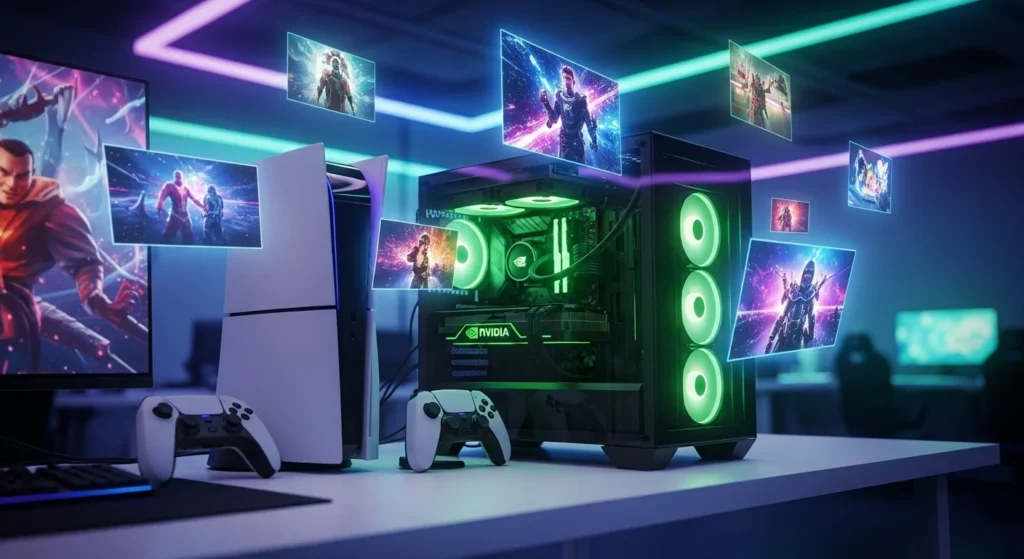
NVIDIA’s ShadowPlay Highlights remains one of the most polished implementations I’ve personally used. Integrated into numerous titles like Fortnite, PUBG, and Apex Legends, it automatically captures eliminations, deaths, and wins without any performance overhead. The system runs quietly in the background, and honestly, going back to find your best moments already saved feels like magic.
Sony’s PlayStation 5 introduced similar functionality with its Activity Cards and auto capture features. The console can automatically save videos of trophy unlocks and significant gameplay achievements. While not as sophisticated as some PC implementations, it demonstrates how console manufacturers recognize this technology’s value.
Riot Games implemented their own version within League of Legends and Valorant, allowing players to instantly access highlight clips without third party software. The integration feels seamless. You finish a match, and your pentakill is already waiting.
Benefits That Actually Matter
Storage efficiency stands out as the most practical advantage. Instead of recording hours of gameplay to capture maybe five minutes of interesting content, AI systems save only what matters. I’ve seen my recording storage requirements drop by roughly 80% since switching to intelligent capture methods.
Content creators particularly benefit from this technology. Streamers and YouTubers no longer need to manually timestamp exciting moments during sessions. The AI handles preliminary curation, dramatically reducing editing time. One content creator I spoke with estimated saving 15-20 hours monthly on initial footage review alone.
For competitive players, these systems provide valuable training resources. Automatic capture of deaths or failed plays creates a ready made library for reviewing mistakes without dedicating attention to recording during intense matches.
Limitations and Honest Concerns
No technology is perfect, and AI reply systems carry legitimate drawbacks. False positives happen regularly; the system might capture an average kill while missing a genuinely impressive outplay that didn’t fit its recognition parameters. Context matters enormously in gaming, and AI doesn’t always grasp why a particular moment was special.
Privacy considerations also deserve attention. These systems necessarily monitor all gameplay activity. While most implementations process data locally, some cloud based options raise questions about data handling and storage policies. Always read the fine print.
Performance impact, while generally minimal with modern systems, exists. Running background analysis alongside demanding games can strain older hardware. I’ve noticed occasional frame drops on systems already pushed to their limits.
Game-specific implementation creates fragmentation. A system trained for shooters won’t recognize meaningful moments in puzzle games or RPGs. Developers must individually integrate support, leaving many titles without AI replay capabilities.
Looking Forward
The trajectory seems clear. As machine learning models become more sophisticated and computationally efficient, expect broader implementation across gaming platforms. Integration with social sharing features will likely deepen, as AI not just captures highlights but automatically edits and formats them for different platforms.
Cloud gaming services present interesting opportunities. Since gameplay already processes remotely, AI analysis could happen server side with zero local performance impact. Google’s Stadia, before its shutdown, experimented with these concepts.
Esports broadcasting increasingly relies on similar technology for identifying replay worthy moments during live competitions. This professional application will likely filter down to consumer products over time.
Final Thoughts
AI automated replay systems represent practical innovation rather than flashy technology for its own sake. They solve a genuine problem, capturing meaningful gaming moments without constant manual effort. While imperfect, current implementations offer tangible value, especially for content creators and competitive players.
As someone who’s accumulated countless hours of gaming footage over the years, I appreciate anything that reduces the tedium of highlight hunting. These systems aren’t replacing human judgment entirely, but they’re becoming increasingly capable assistants in preserving our best gaming memories.
Frequently Asked Questions
Do AI replay systems affect game performance?
Most modern implementations have minimal impact, typically 1-3% performance overhead. Older systems may experience more noticeable effects.
Can I customize what the AI captures?
Yes, most systems allow sensitivity adjustments and event type selection. You can typically enable or disable specific trigger categories.
Do all games support AI replay features?
No, games require specific integration. Popular competitive titles have better support than indie or single player games.
How much storage do AI replay systems use?
Significantly less than traditional recording typically 70-90% reduction since only highlights are saved rather than continuous footage.
Are cloud based replay systems safe for privacy?
Reputable providers encrypt data and maintain privacy policies, but always review terms before enabling cloud features.
Can AI replay systems work with streaming software?
Most integrate with OBS, XSplit, and native streaming platforms, though some require additional configuration.