

I’ve been gaming for over two decades, and I can tell you without hesitation we’re standing at the edge of something extraordinary. The games releasing today and those in development aren’t just incremental improvements over what came before. They represent a fundamental shift in how we interact with virtual worlds, driven largely by advances in artificial intelligence that seemed like science fiction just five years ago.
Beyond Scripted NPCs: Characters That Actually Remember You
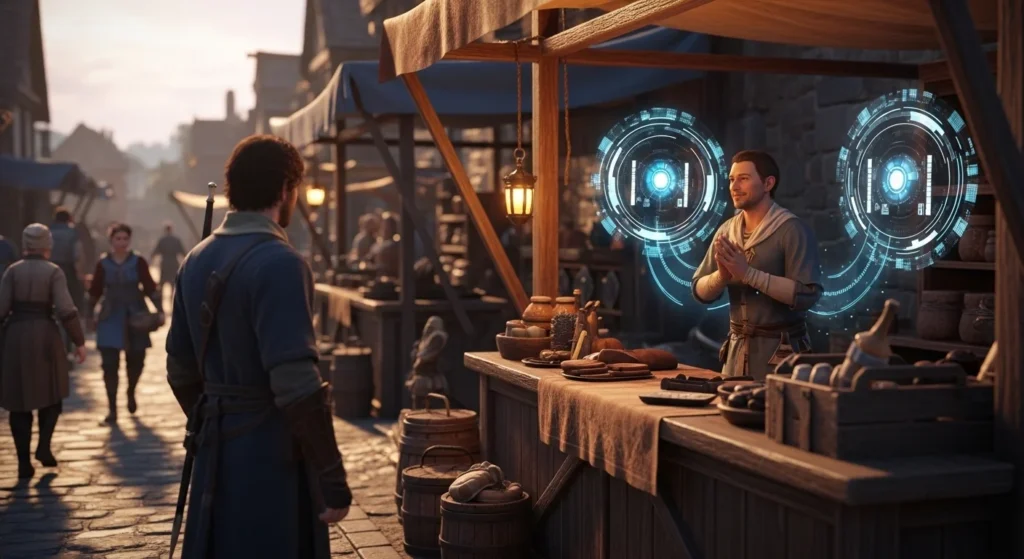
Remember the frustration of talking to NPCs in games from the early 2000s? You’d encounter the same guard in Oblivion dozens of times, and he’d greet you with identical dialogue as if you’d never met. Those days are rapidly fading.
Modern AI driven characters are developing actual memory systems. In my recent playthrough of newer titles, I’ve noticed NPCs referencing previous conversations, remembering favors I’ve done, and even holding grudges based on my past actions. This isn’t just branching dialogue trees it’s dynamic relationship building.
Take the difference between traditional quest givers and what we’re seeing emerge now. A traditional NPC might offer Quest A if you meet Condition X. The new generation? They adjust their requests based on your reputation, past choices, your play style, and even the in game time since you last spoke. I helped a merchant in one game weeks ago in real time, and when I returned, they specifically mentioned my previous assistance and offered a discount. That level of continuity creates genuine attachment to these digital characters.
Procedural Storytelling That Adapts to Your Chaos
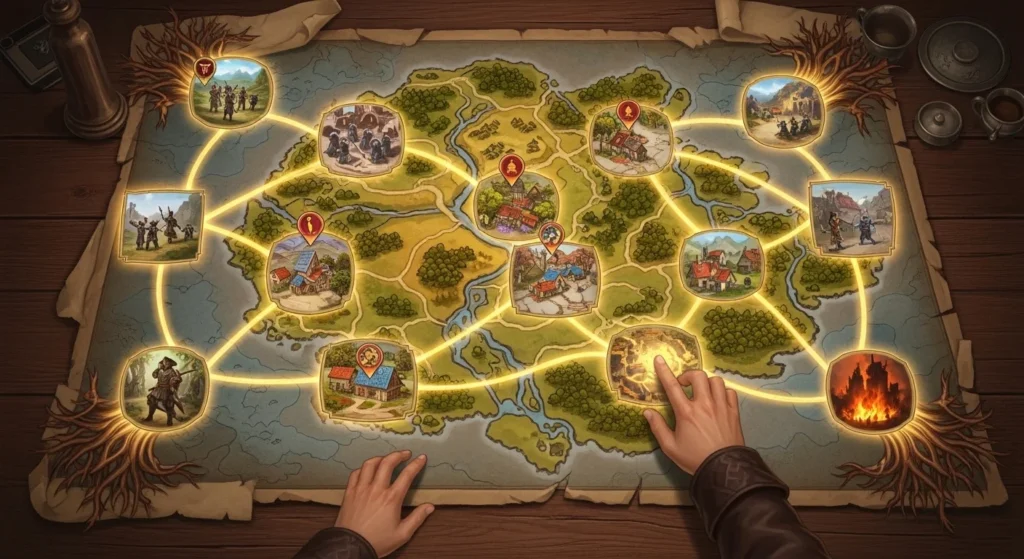
Linear storytelling has always had a problem in games: players are unpredictable. We break sequences, ignore objectives, and generally wreak havoc on carefully crafted narratives. Next gen AI is turning this bug into a feature.
I witnessed this firsthand in games employing adaptive narrative systems. Instead of failing a mission because I didn’t follow the “proper” path, the story reorganized itself around my chaotic approach. Killed an important informant by accident? The information now comes through a different source, perhaps less reliable, creating new complications. The story doesn’t break; it evolves.
This technology reminds me of playing tabletop RPGs with a skilled dungeon master who improvises when players go off script. The difference is that this digital DM processes thousands of variables simultaneously, ensuring consistency across a sprawling game world.
Combat That Learns Your Patterns
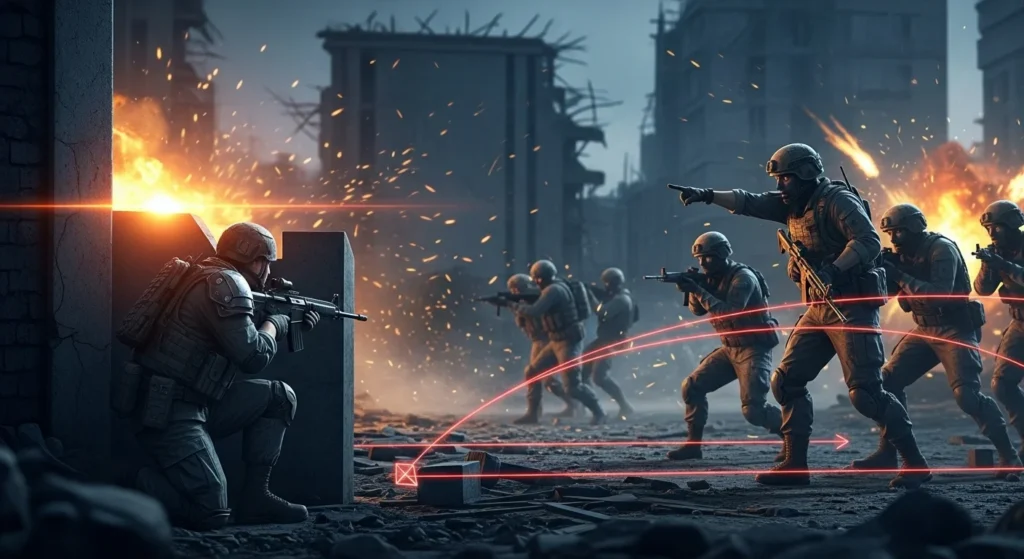
I’m a creature of habit in combat scenarios. I tend to favor stealth openings followed by aggressive close-quarters fighting. In older games, once you found an effective strategy, you could exploit it endlessly. Modern AI opponents are becoming uncomfortably perceptive.
In several recent titles, I’ve noticed enemies adapting to my tactics. Flanking routes that worked initially become guarded. Opponents start using countermeasures against my preferred weapons. One game I tested had enemies who would actually retreat and regroup if I was dominating too easily, returning with modified strategies.
This creates a natural difficulty curve that doesn’t rely on simple stat increases. The challenge grows because your opponents are genuinely learning, not just gaining more health points. It’s exhilarating and occasionally humbling when a group of virtual enemies outsmarts you.
World Simulation at Unprecedented Scale
The most impressive advancement I’ve observed isn’t in any single feature it’s in how everything connects. Next generation games are simulating entire ecosystems where AI manages thousands of interconnected systems simultaneously.
I spent hours in one open world game just observing NPC routines. A baker who actually sources ingredients from farmers, who themselves deal with seasonal crop variations, which affect prices throughout the economy, which in turn influences crime rates in poorer districts. None of this required direct player intervention, it’s all happening in the background, creating a living world.
Weather systems now influence NPC behavior in logical ways. Merchants close shop during storms. Wildlife seeks shelter. Bandits use heavy fog for ambushes. These aren’t scripted events triggered at specific times; they’re emergent behaviors arising from AI systems responding to environmental conditions.
Personalized Difficulty and Experience
Perhaps the most player-friendly evolution involves AI that calibrates the challenge without your input. Traditional difficulty settings always felt crude: easy, normal, hard. Next-gen systems analyze your performance across dozens of metrics and adjust dynamically.
I’m decent at combat but terrible at platforming sequences. In some newer games, I’ve noticed combat encounters remaining challenging while platforming segments offer subtle assists, slightly more forgiving timing windows, or clearer visual indicators. The game never announces these adjustments; it just ensures I’m consistently engaged rather than frustrated.
This extends to pacing as well. If telemetry shows I’m burning out on main quest content, the game might organically present side activities through NPC interactions or environmental storytelling. It’s manipulation, certainly, but in the service of better entertainment.
The Challenges and Concerns
This technology isn’t without drawbacks. Development costs have skyrocketed, as creating these sophisticated AI systems requires specialized expertise and extensive testing. Smaller studios struggle to compete, which could homogenize the industry around big budget productions.
There’s also the uncanny valley problem with NPC behavior. When characters act almost human but with occasional jarring inconsistencies, it’s more immersion breaking than obviously scripted behavior. I’ve experienced conversations that felt genuinely natural, interrupted by moments of bizarre logical gaps that remind you it’s all code.
Performance is another consideration. These AI systems demand significant computational resources. Even high-end gaming PCs can struggle with fully realized AI driven worlds, and console implementations often require compromises.
Looking Forward
We’re still in the early adoption phase. Most games today use these technologies selectively rather than comprehensively. But the trajectory is clear: within the next few years, AI-driven experiences will become standard rather than exceptional.
The games I’m most excited about aren’t those with the best graphics or largest maps. They’re the ones promising worlds that truly react, remember, and respond. Where your unique playthrough creates a genuinely different experience from everyone else’s, not through binary choices but through the accumulation of countless small interactions.
Gaming has always been about escapism and immersion. Next generation AI is simply removing more barriers between us and those virtual worlds, making them feel less like software and more like places we visit, places that know us and change because we were there.
FAQs
What makes AI in modern games different from older games?
Older games used simple scripts and decision trees. Modern AI employs machine learning, dynamic adaptation, and complex simulation systems that create emergent, unpredictable behaviors rather than following fixed patterns.
Do I need expensive hardware for next gen AI gaming?
Not always. While cutting-edge experiences demand high end systems, many developers optimize AI features for various hardware levels, sometimes processing complex calculations on remote servers.
Will AI replace human game developers?
No. AI systems are tools that developers use to create richer experiences. The creative vision, design philosophy, and overall direction still require human expertise and artistic judgment.
Are AI driven games more expensive?
Development costs are higher, which can translate to higher prices, though market competition keeps this in check. The bigger concern is whether smaller indie studios can afford these technologies.
Can players exploit or break AI systems?
Sometimes. Complex systems always have edge cases and unexpected interactions. However, adaptive AI often corrects exploits organically by learning and adjusting to player behavior.