
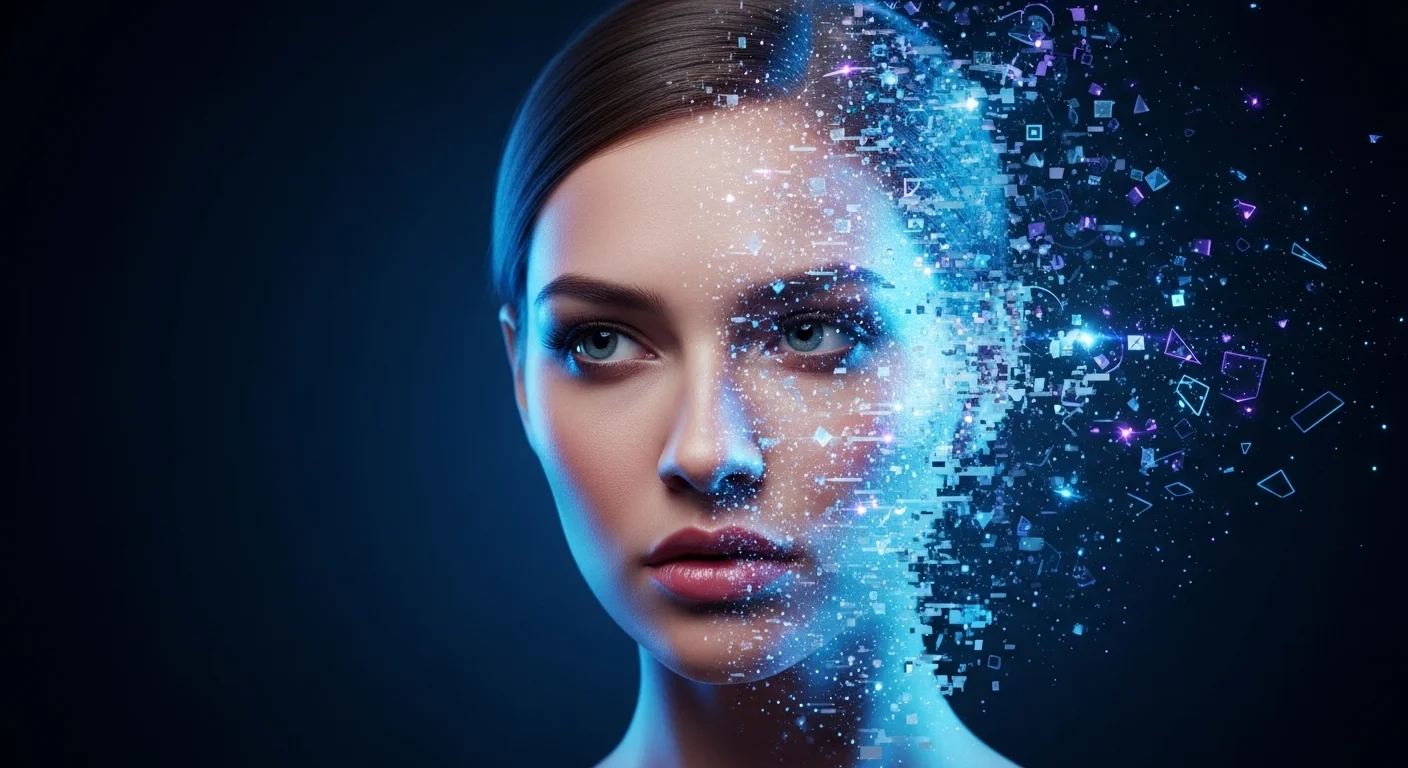
When I first saw a colleague’s portfolio filled with photorealistic portraits that had never existed as actual photographs, something clicked. This wasn’t just another digital trend; it represented a fundamental shift in how we approach visual creation. Intelligent realism powered by artificial intelligence has quietly revolutionized industries from advertising to architecture, and understanding this technology has become essential for anyone working in creative fields.
What Exactly Is Intelligent Realism?
Intelligent realism refers to the capability of machine learning systems to generate, enhance, or manipulate visual content that closely mimics reality. Unlike traditional digital art that requires extensive manual labor, these systems understand textures, lighting physics, human anatomy, and environmental dynamics at a remarkably sophisticated level.
The term “intelligent” distinguishes this approach from earlier attempts at computer-generated imagery. Previous methods relied heavily on rule based systems and required artists to manually define every parameter. Today’s approaches learn from millions of real-world examples, developing an intuitive grasp of what makes something look authentic.
The Evolution from Pixelated Dreams to Lifelike Imagery
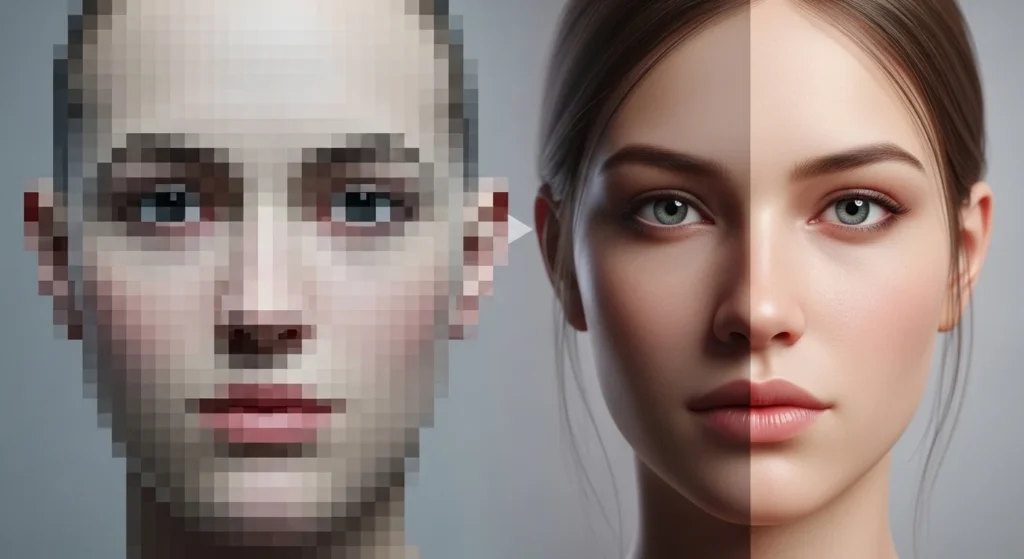
Just five years ago, generating a convincing human face required expensive software, specialized skills, and hours of work. Now, platforms can produce portraits indistinguishable from photographs in seconds. This progression didn’t happen overnight; it emerged from decades of research in neural networks, generative models, and computational photography.
The breakthrough came with generative adversarial networks, commonly called GANs. These systems essentially pit two neural networks against each other: one creates images while the other critiques them. Through millions of iterations, the generator learns to produce increasingly realistic outputs that can fool both the discriminator and human observers.
More recently, diffusion models have pushed boundaries even further. These systems work by learning to reverse a noise adding process, essentially understanding how to reconstruct coherent images from random static. The results have been nothing short of remarkable.
Real World Applications Transforming Industries

Architecture and Real Estate
I’ve worked with several architectural firms that now use intelligent realism to create virtual walkthroughs before breaking ground. One project I consulted on saved approximately three months of traditional rendering time. Clients could explore spaces with realistic lighting at different times of day, accurate material textures, and even simulated weather conditions.
Real estate agencies have embraced virtual staging, transforming empty rooms into fully furnished spaces that help buyers envision possibilities. The cost savings compared to physical staging are substantial, often running between seventy and ninety percent less.
Fashion and E Commerce
Product photography has undergone a significant transformation. Brands now generate model images wearing clothing items without scheduling actual photo shoots. While this raises questions about representation and authenticity, the economic pressures driving adoption are undeniable.
Virtual try-on experiences have improved dramatically. Consumers can now see realistic previews of how garments might look on their body types, reducing return rates and improving satisfaction.
Entertainment and Gaming
Film production increasingly relies on intelligent realism for background generation, crowd simulation, and even de aging actors. What once required massive visual effects teams can now be accomplished with smaller crews and tighter budgets.
Video game environments have achieved unprecedented detail levels. Procedural generation combined with intelligent realism creates worlds that feel genuinely lived in rather than artificially constructed.
The Technical Foundation Worth Understanding
At its core, intelligent realism depends on training data quality and neural network architecture. Systems learn by analyzing vast collections of real world images, developing internal representations of how light behaves, how materials reflect, and how natural scenes are composed.
The process involves multiple specialized components. Some handle overall composition while others focus on fine details like skin pores, fabric weaves, or foliage patterns. Modern systems can maintain consistency across generated content, ensuring that shadows fall correctly and perspectives remain coherent.
Understanding these foundations helps creative professionals know when to trust automated outputs and when manual refinement becomes necessary.
Navigating Ethical Complexities
No honest discussion of intelligent realism can ignore the ethical dimensions. The same technology that creates stunning architectural visualizations can produce convincing fake images of real people in compromising situations. Deepfakes have emerged as a serious concern for privacy, consent, and information integrity.
Several photographers and illustrators I know have expressed frustration about their work being used without permission to train these systems. The legal landscape remains unclear, with courts worldwide grappling with questions about training data usage and output ownership.
Responsible practitioners establish clear guidelines about disclosure, obtain appropriate permissions for training data, and consider downstream implications of their work. Professional organizations are slowly developing ethical frameworks, though consensus remains elusive.
Limitations That Demand Attention
Despite impressive capabilities, intelligent realism still struggles with certain scenarios. Complex physical interactions, unusual camera angles, and specialized subject matter frequently produce errors. Hands remain notoriously difficult outputs often feature too many fingers or anatomically impossible poses.
Text rendering within images typically appears garbled or nonsensical. Highly technical subjects requiring precise accuracy still need human verification and correction.
These limitations mean intelligent realism works best as a collaborative tool rather than a replacement for human expertise.
Looking Forward: What’s Coming Next
Video generation represents the current frontier. Systems are beginning to produce short clips with reasonable temporal consistency, though artifacts remain common. Within the next few years, generating photorealistic video content will likely become accessible to small production teams.
Integration with three dimensional modeling promises exciting possibilities for interactive experiences. Imagine walking through intelligently generated environments that respond dynamically to user presence.
The democratization of these tools continues to accelerate. Capabilities once requiring expensive hardware and specialized expertise now run on consumer devices with user friendly interfaces.
Practical Guidance for Getting Started
For those exploring intelligent realism, starting with established platforms provides the gentlest learning curve. Focus initially on understanding prompt engineering, the art of describing desired outputs effectively. Study successful examples to develop intuition about what produces quality results.
Combine automated outputs with traditional skills. The most impressive work I’ve seen treats intelligent realism as a starting point rather than a final product. Human refinement and artistic judgment remain irreplaceable.
Frequently Asked Questions
What is intelligent realism in simple terms?
It’s technology that creates or enhances images to look convincingly real, using machine learning trained on vast collections of actual photographs and artwork.
Can intelligent realism completely replace photographers?
Not entirely. While it handles many commercial applications effectively, human photographers bring creative vision, spontaneous moments, and authentic subject interactions that remain difficult to replicate.
Is using intelligent realism legal?
Generally, yes for personal and most commercial uses, though legal frameworks around training data and output ownership continue evolving. Always verify rights for specific applications.
How can I tell if an image uses intelligent realism?
Look for telltale signs like irregular hands, inconsistent shadows, blurred text, or unnatural background details. However, detection grows increasingly difficult as technology improves.
What industries benefit most from this technology?
Advertising, architecture, gaming, fashion, and film production currently see the highest adoption rates, though applications continue expanding across virtually every visual field.
Does intelligent realism require coding knowledge?
Not anymore. Many user friendly platforms offer accessible interfaces requiring only text descriptions or basic image editing skills.