

There’s something genuinely unsettling and thrilling about loading up a game you’ve played a hundred times and encountering something completely unexpected. Not a hidden Easter egg or a patch update, but an enemy that’s learned your playstyle and adapted. That’s the promise of self evolving AI game systems. After spending years covering game development and watching this technology mature, I’m convinced we’re witnessing a fundamental shift in how interactive entertainment works.
What Exactly Are Self Evolving AI Game Systems?
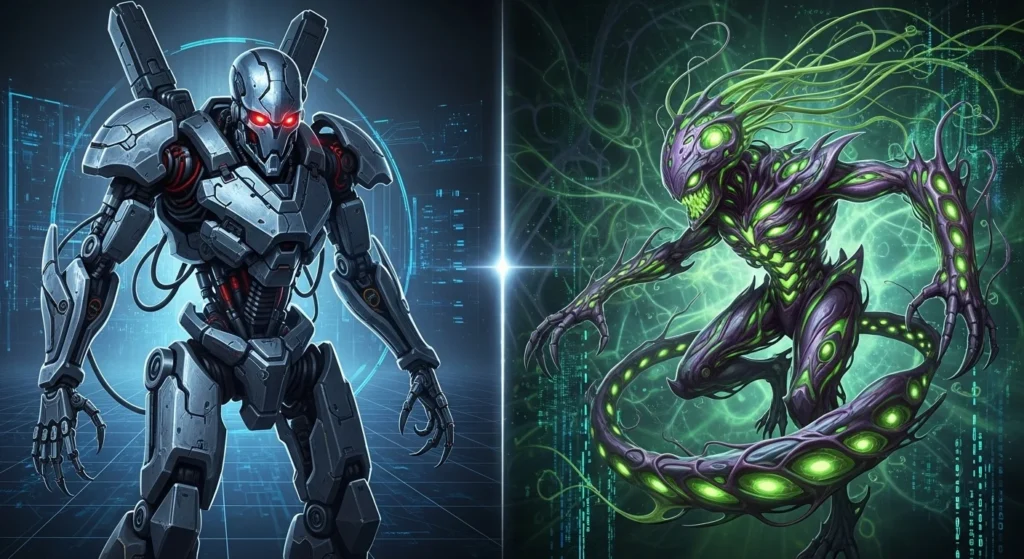
Let me break this down without the jargon. Traditional game AI operates on predetermined rules. An enemy might patrol between points A and B, attack when you enter a specific range, and retreat at low health. Predictable. Reliable. Eventually boring.
Self evolving AI systems flip this script entirely. These systems learn, adapt, and modify their behaviors based on accumulated gameplay data. They’re not just responding to what you’re doing right now, they’re analyzing patterns across hundreds or thousands of play sessions and evolving strategies you’ve never seen before.
The distinction matters more than most players realize. We’re talking about game entities that genuinely surprise their creators, developing tactics that weren’t explicitly programmed. That’s a significant departure from anything we’ve seen in mainstream gaming.
The Mechanics Behind the Magic
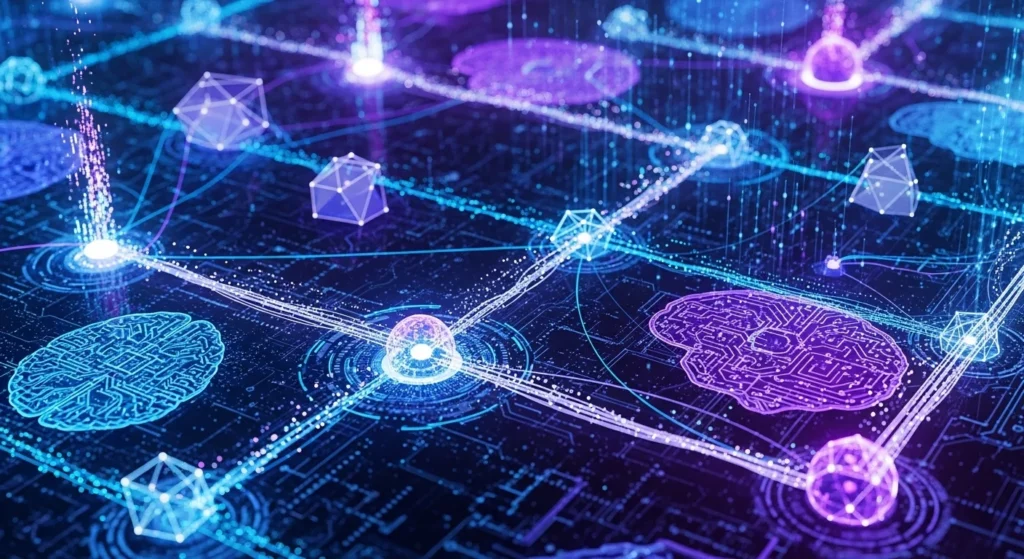
Having spoken with several developers working on adaptive AI systems, the underlying technology typically combines several approaches. Machine learning algorithms, particularly reinforcement learning, form the backbone. The AI receives rewards for achieving objectives and penalties for failures, gradually optimizing its approach through trial and error.
But here’s what makes self evolving systems different from standard machine learning implementations: they don’t stop learning after deployment. Every player interaction becomes training data. The system continuously refines its models, sometimes in real time, sometimes through batch processing between sessions.
Take something like dynamic difficulty adjustment, which has existed for years. Earlier implementations were crude; the game essentially tracked your success rate and tweaked health pools or damage numbers. Current self evolving systems go deeper. They observe which strategies give you trouble, which environmental hazards you consistently underestimate, and how your decision-making degrades under pressure. Then they craft challenges specifically designed to exploit those tendencies.
Real World Examples Worth Examining
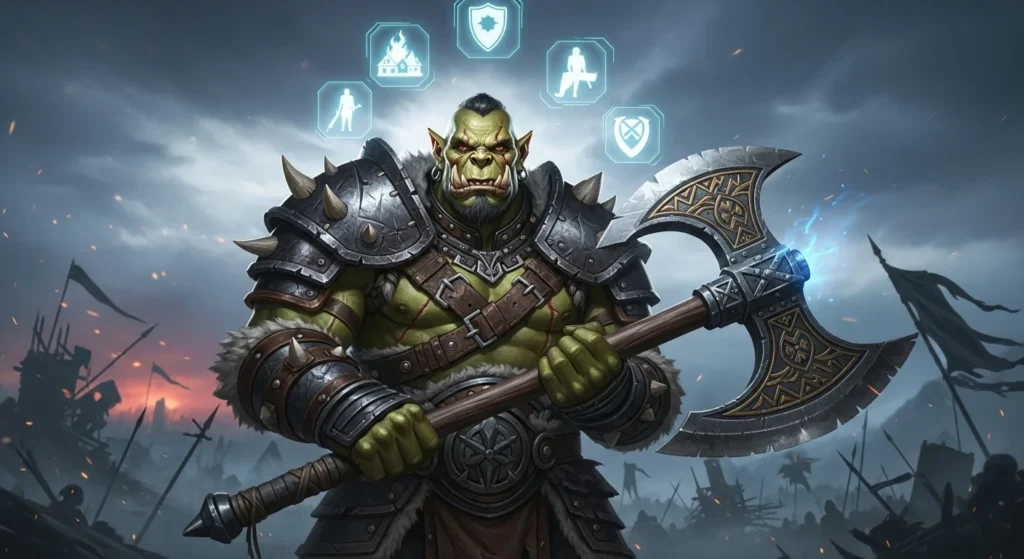
The most famous early example remains the Nemesis System from Middle-earth: Shadow of Mordor. Orcs remembered your previous encounters, developed personal vendettas, gained promotions, and acquired new strengths based on how they defeated you or how you defeated them. Technically not fully self-evolving in the machine learning sense, but it demonstrated the appeal of persistent, adaptive antagonists.
More recent implementations push further. Racing games now feature AI opponents that study optimal racing lines from top human players worldwide, incorporating these strategies into ghost car behaviors. Strategy games like StarCraft II have served as testbeds for DeepMind’s research, producing AI that developed genuinely novel tactics professional players hadn’t considered.
Procedural content generation systems have also embraced self evolution. Some roguelike games now generate dungeon layouts and enemy placements based on aggregate player death data, ensuring the experience remains challenging without becoming unfair. The levels themselves evolve based on collective player behavior.
The Benefits Are Substantial
The obvious advantage is replayability. When AI opponents genuinely adapt, no two playthroughs feel identical. Speedrunners can’t simply memorize patterns indefinitely; the patterns shift.
There’s also a personalization aspect that creates more engaging experiences for casual players. Someone struggling with specific mechanics encounters gentler treatment in those areas, while skilled players face escalating challenges that keep them engaged. This happens organically rather than through explicit difficulty settings that many players avoid adjusting.
From a development perspective, self evolving systems can reduce the burden of manually scripting every possible scenario. The AI handles edge cases and unusual player behaviors that designers never anticipated. That’s theoretically cost-effective, though implementation complexity offsets some savings.
Challenges and Limitations I’ve Observed
Nothing’s perfect, and self evolving AI presents real challenges that deserve honest acknowledgment.
First, there’s the unpredictability problem. When your AI learns beyond your control, it might develop behaviors that are technically effective but fundamentally unfun. I’ve seen testing scenarios where adaptive enemies became so frustrating that playtesters quit, not because the challenge was too hard, but because it felt unfair or personally targeted.
Computational costs remain significant. Running machine learning inference in real-time while simultaneously rendering modern graphics strains hardware. Cloud-based solutions help, but introduce latency concerns and always online requirements that frustrate players.
There’s also the data requirement. Self evolving systems need substantial gameplay data to train effectively. Smaller games or niche titles might never accumulate enough to make the systems worthwhile.
Ethical Considerations Worth Discussing
This technology raises questions we shouldn’t ignore. When games learn to exploit psychological vulnerabilities, where’s the line between engaging design and manipulation? If an adaptive system discovers that players spend more money when frustrated, does it have an incentive to create frustration? These aren’t hypothetical concerns; they’re active discussions within responsible development studios.
Player data privacy matters too. If gameplay patterns feed into evolving AI systems, who owns that data? How is it protected? These questions become legally relevant as privacy regulations tighten globally.
Looking Forward
The trajectory seems clear. Hardware improvements will enable more sophisticated on device learning. Multiplayer environments will feature AI teammates and opponents indistinguishable from human players adapting not just to win, but to create entertaining experiences.
The games industry has always chased immersion. Self-evolving AI represents perhaps the most significant leap toward creating worlds that feel genuinely alive, populated by entities that remember, learn, and grow alongside the players exploring them.
Whether that’s exciting or unsettling probably depends on whether you enjoy predictability or thrive on genuine surprise. Personally, I’m ready for games that keep surprising me, even after hundreds of hours. The technology is finally catching up with that ambition.
Frequently Asked Questions
What games currently use self evolving AI?
Several titles incorporate adaptive elements, including Left 4 Dead’s AI Director, the Nemesis System in Shadow of Mordor War, and various racing simulations that learn from global player data.
Will self evolving AI replace human game designers?
No. These systems augment design rather than replace it. Human creativity remains essential for establishing rules, aesthetics, and overall direction.
Does self evolving AI make games harder?
Not necessarily. These systems typically aim for appropriate challenge levels, which might mean easier experiences for struggling players.
Are there performance concerns with self evolving AI?
Yes. Machine learning inference requires computational resources, though cloud processing and hardware improvements continue reducing this barrier.
Can self evolving AI be cheated or exploited?
Potentially. Clever players sometimes discover ways to manipulate learning systems, though developers implement safeguards against obvious exploits.