
Starting something new can feel overwhelming. I’ve watched countless beginners, whether jumping into competitive gaming, picking up a new sport, or learning complex board games, struggle with that initial learning curve. The good news? Smart assistance tools and strategies have evolved dramatically, making the journey from novice to competent player smoother than ever before.
After spending over eight years coaching newcomers across various gaming communities and competitive environments, I’ve seen firsthand what works and what doesn’t. Let me share what actually helps new players thrive.
Understanding the Modern New Player Experience
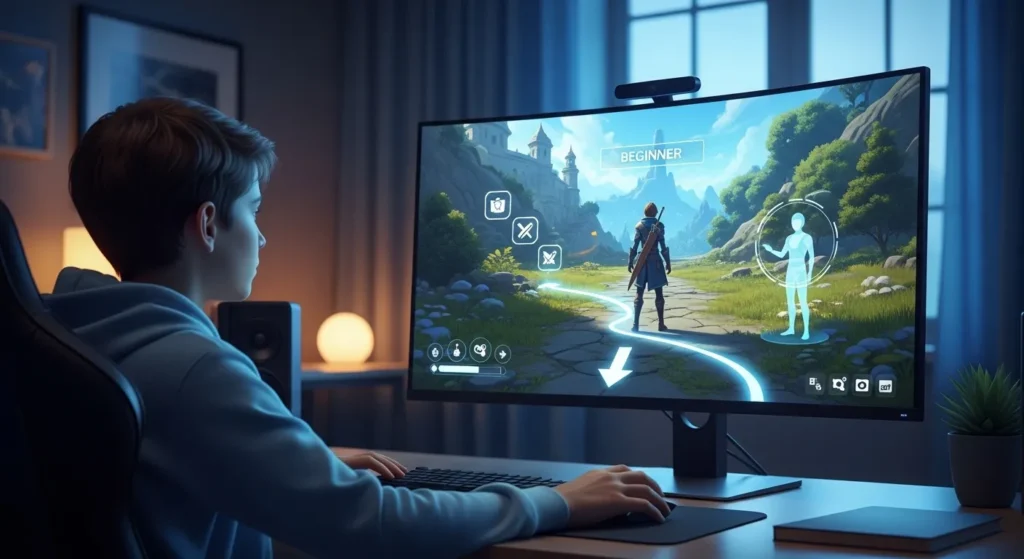
Remember when learning a new game meant reading a thick manual or bothering friends for advice? Those days are long gone. Today’s smart assistance systems analyze your behavior, identify weak points, and serve up tailored guidance exactly when you need it.
But here’s something most guides won’t tell you: not all assistance is created equal. Some systems hold your hand too tightly, creating dependent players who never develop genuine skills. Others throw information at you without context, leaving you more confused than before.
The sweet spot lies somewhere in between intelligent guidance that adapts to your learning pace while gradually stepping back as competence grows.
What Effective Smart Assistance Actually Looks Like
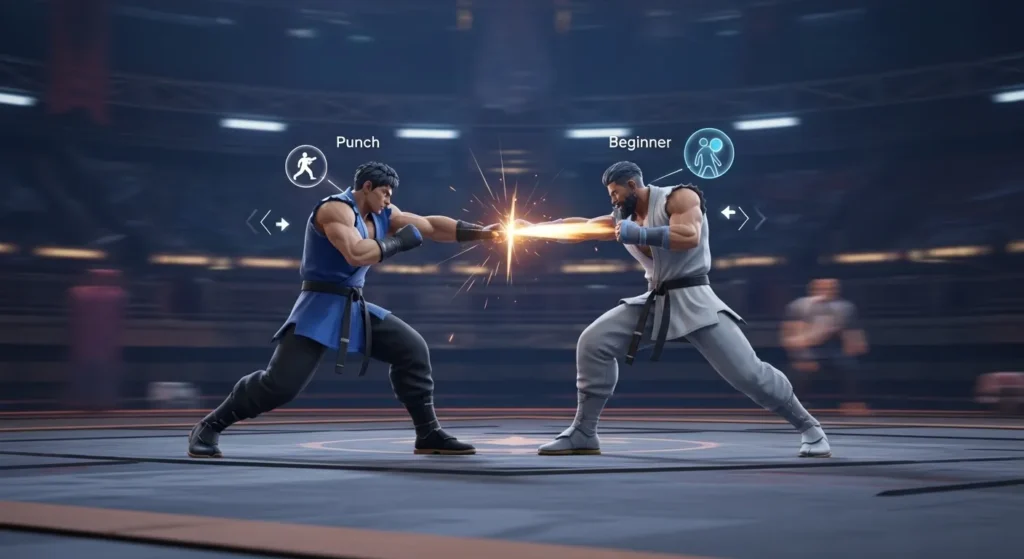
Contextual Tutorials That Respect Your Time
The best onboarding experiences don’t dump everything on you at once. Take how certain fighting games now introduce mechanics. Rather than overwhelming tutorials covering every possible move, smart systems observe which techniques you gravitate toward and expand your knowledge organically.
I worked with a gaming community last year where we tested different tutorial approaches. Players who received bite sized, contextual tips retained information 40% better than those given comprehensive upfront guides. The reason? Learning feels natural when it connects to immediate actions rather than theoretical possibilities.
Dynamic Difficulty Adjustment
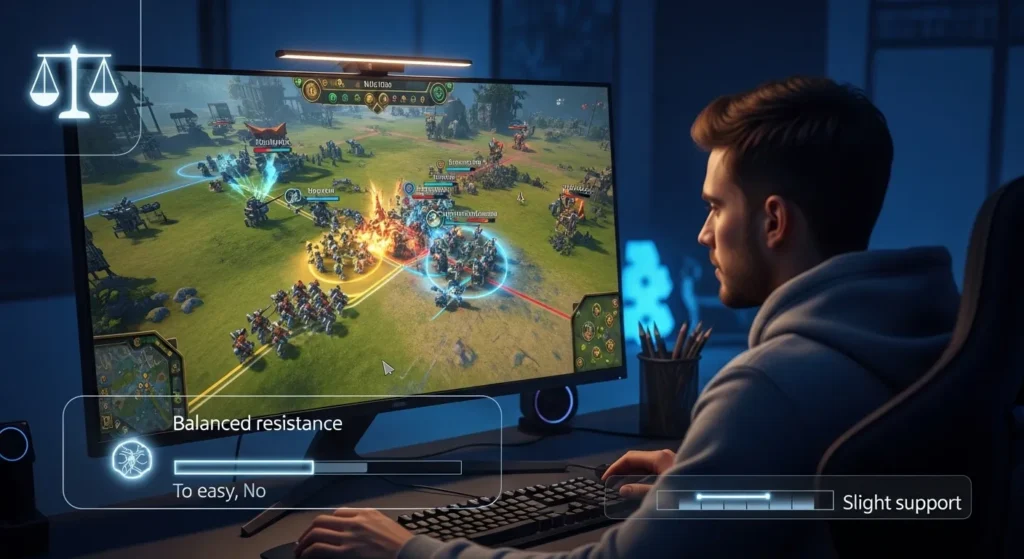
This remains controversial among purists, but hear me out. Smart difficulty scaling, when implemented thoughtfully, doesn’t cheapen experiences. It prevents the discouragement that causes many newcomers to abandon games entirely.
The key distinction is transparency. Systems that secretly adjust difficulty often backfire when players discover the manipulation. But openly adaptive systems that communicate adjustments? They build confidence while maintaining genuine challenge.
I’ve personally benefited from this approach. When I started playing competitive strategy games in my thirties, dynamic assistance helped bridge the gap between my tactical understanding and execution speed. Without it, I likely would’ve bounced off after a few frustrating sessions.
Community Powered Guidance Systems
Some of the smartest assistance doesn’t come from algorithms; it comes from structured mentorship programs and community resources organized intelligently.
Discord servers with dedicated newbie channels, subreddit wikis maintained by experienced players, and matchmaking systems that pair veterans with learners create ecosystems where knowledge transfers naturally. The human element matters enormously here.
Choosing the Right Type of Assistance for Your Learning Style
Not everyone learns identically. Through years of observation, I’ve noticed distinct patterns:
Visual learners thrive with video guides and spectator modes that let them watch skilled players perform techniques before attempting them.
Hands on learners need sandboxed practice environments where experimentation carries no penalties. Training modes with instant reset options work wonders here.
Analytical learners benefit from statistics tracking and replay analysis tools that break down performance data into actionable insights.
Social learners improve fastest through cooperative modes and active participation in communities where questions are welcomed.
Identifying your preference early saves considerable frustration. Don’t force yourself into assistance formats that conflict with how you naturally absorb information.
The Hidden Pitfalls of Over-Reliance on Assistance
Here’s where I have to pump the brakes a bit. Smart assistance serves as scaffolding, not permanent architecture. I’ve seen talented players plateau because they never weaned themselves off training wheels.
The goal should always be developing independent competence. Ask yourself periodically: “Am I improving my actual skills, or am I just getting better at using assistance features?”
Some warning signs you might be over relying on help:
- Performance drops dramatically without assist features enabled
- You avoid situations where assistance isn’t available
- Learning new systems feels impossible without external guidance
- Frustration tolerance remains low despite months of play
Gradual removal of assistance not cold turkey produces the best long term results.
Practical Steps for Maximizing Smart Assistance
Based on patterns I’ve observed among successful learners:
First week:
Accept all offered assistance. Don’t worry about dependency yet. Focus purely on understanding basic mechanics and developing comfort.
Weeks two through four:
Start noting which assistance features you use most frequently. These indicate areas needing focused practice.
Month two:
Begin selectively disabling assistance for mechanics you’ve grasped. Keep support active for areas still developing.
Ongoing:
Revisit assistance features periodically when learning new content or facing unfamiliar challenges. There’s no shame in cycling back when encountering genuinely novel situations.
The Future of New Player Support
Looking ahead, assistance systems continue growing more sophisticated. Machine learning enables genuinely personalized coaching that adapts not just to skill level but to individual learning patterns and play styles.
However, I’d caution against assuming technology alone solves the new player problem. The most successful onboarding always combines smart systems with welcoming communities and well designed core experiences.
No amount of clever assistance compensates for fundamental design flaws or toxic community environments. These foundational elements matter far more than any individual feature.
Final Thoughts
Starting any competitive endeavor as a newcomer tests patience and ego. Smart assistance exists to smooth that journey, not to shortcut genuine skill development.
Use these tools gratefully but wisely. Accept help when offered, practice deliberately in supported environments, and gradually assume full responsibility for your performance. That’s the path from bewildered beginner to confident player.
The learning curve exists for everyone. Smart assistance simply makes climbing it less lonely and more manageable.
Frequently Asked Questions
What is smart assistance for new players?
Smart assistance includes adaptive tutorials, dynamic difficulty, contextual tips, and community resources designed to help beginners learn efficiently without overwhelming them.
Should I use all available assistance features when starting?
Yes, initially accept all assistance to build a foundational understanding. Gradually reduce reliance as competence develops.
Can smart assistance make me dependent on help?
It can if used indefinitely. Plan to progressively disable features as skills improve to develop true independence.
How long should new players use training modes?
Most players benefit from two to four weeks of active training mode use before transitioning primarily to regular play.
Is accepting help considered cheating?
No, built in assistance features exist specifically to help newcomers learn. Using them as intended is completely legitimate.
What’s the best type of assistance for complete beginners?
Contextual tutorials that introduce concepts during actual gameplay typically work best for absolute newcomers.