

I’ve spent the better part of fifteen years working in game development, mostly on the narrative side. When I first heard colleagues discussing machine learning applications for dialogue systems back in 2018, I’ll admit I was skeptical. Writers creating branching storylines? That was sacred territory. Fast forward to today, and my perspective has shifted dramatically not because machines replaced us, but because they’ve become genuinely useful collaborators.
The Evolution of Interactive Storytelling
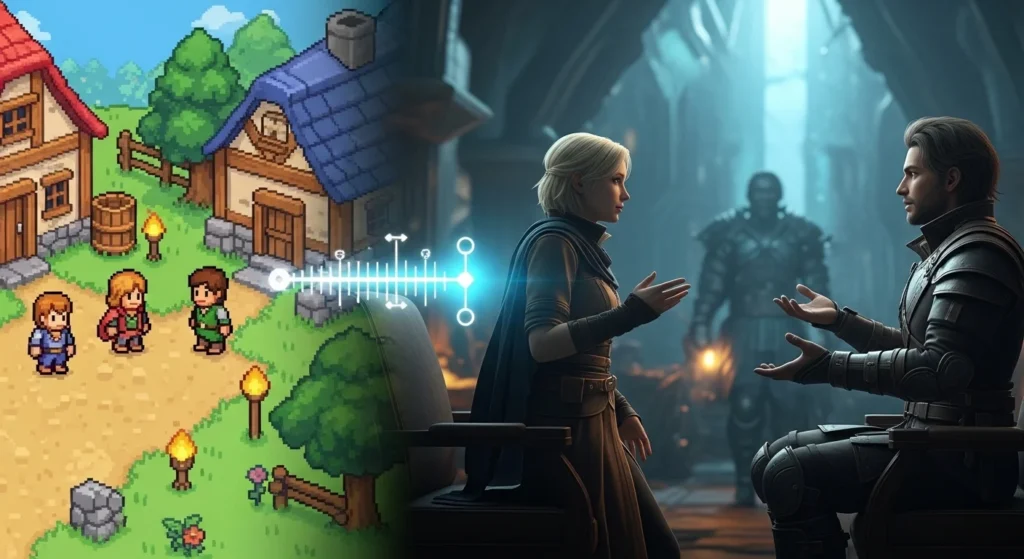
Traditional game narratives followed predictable patterns. Writers crafted scripts, designers implemented branching paths, and players experienced predetermined outcomes. Even games praised for choice driven narratives like Mass Effect or The Witcher, operated within fixed boundaries. Every dialogue option, every plot twist existed because someone manually wrote it.
That model worked beautifully for years. But it had limitations. Creating truly responsive worlds meant exponentially more content. A game with meaningful choices requiring writers to anticipate hundreds of player decisions wasn’t sustainable. The math simply didn’t add up.
Enter intelligent narrative systems. These aren’t replacing writers, they’re extending what writers can accomplish.
How Modern Games Use Intelligent Narrative Engines
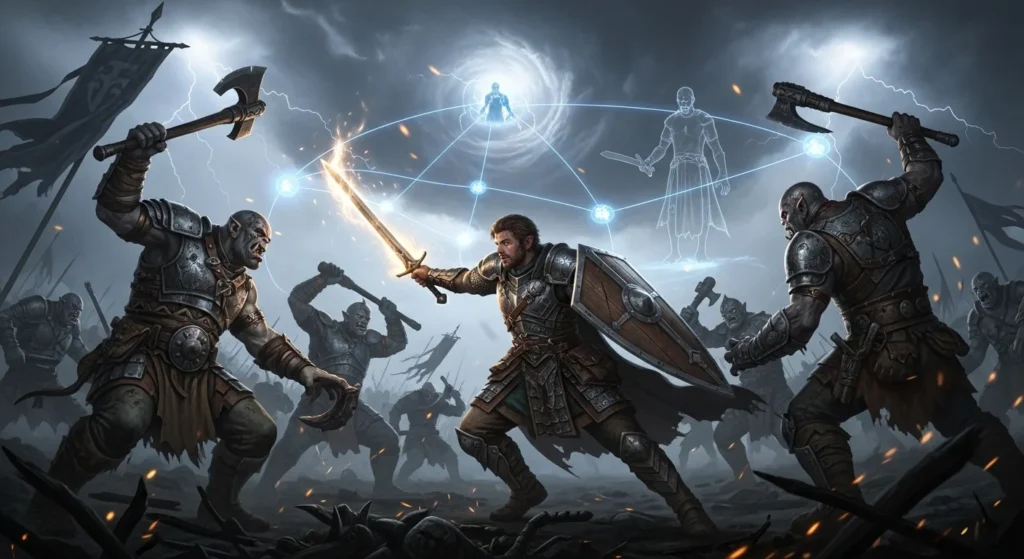
The implementation varies wildly across studios. Some use procedural generation for side quests and ambient dialogue. Others employ more sophisticated approaches where character responses adapt based on accumulated player behavior.
Take Middle earth: Shadow of Mordor’s Nemesis system. Released in 2014, it represented early experimentation with dynamic storytelling. Orc captains remembered encounters, held grudges, and developed personalized relationships with players. Each playthrough generated unique rivalries and stories. The system wasn’t sophisticated by today’s standards, but it demonstrated something crucial: emergent narratives could feel personal.
Contemporary applications go much further. Studios now experiment with dialogue systems that generate contextually appropriate responses, maintaining character voice while adapting to unpredictable player inputs. Instead of selecting from three predetermined options, players might type or speak naturally, receiving responses that feel organic rather than scripted.
I recently played a preview build from an indie studio where non player characters remembered not just major decisions but small interactions. Mentioning an offhand detail from hours earlier created genuine surprise. That level of persistence would require impossibly large scripts using traditional methods.
The Writer’s Changing Role
Here’s what concerns many of my colleagues: are we becoming obsolete? After years of watching this technology mature, I’d argue the opposite is true.
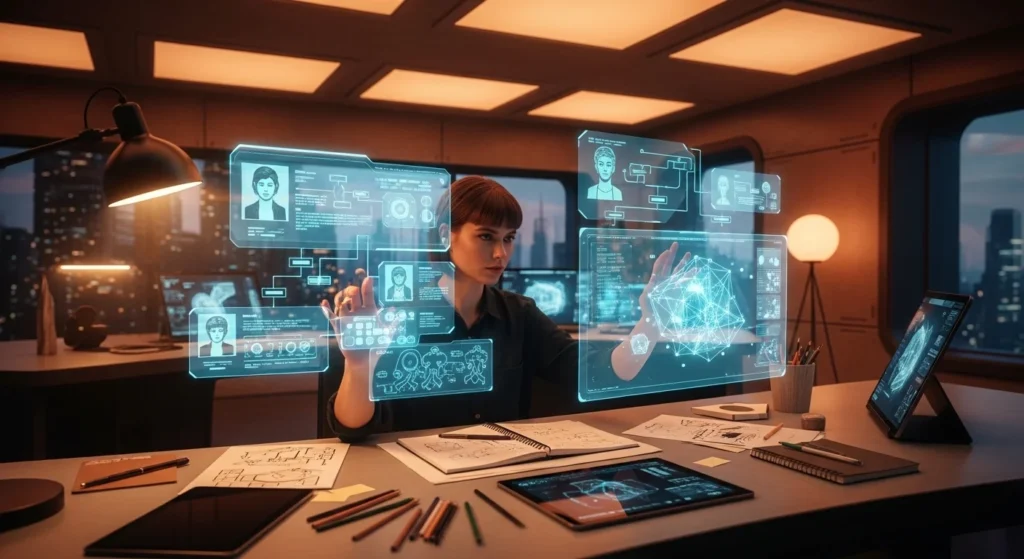
Intelligent systems need a foundation. They require character bibles, world lore, tonal guidelines, and narrative frameworks established by human writers. The technology generates variations within constraints humans define. Think of it like jazz improvisation, musicians need a deep understanding of theory before departing from it meaningfully.
Writers now focus on higher level creative decisions. What emotional journey should this character experience? What themes resonate throughout the narrative? How should the world respond to player agency? These questions demand human insight, cultural understanding, and emotional intelligence that machines genuinely lack.
My workflow has changed considerably. I spend less time writing individual dialogue lines and more time establishing parameters, reviewing generated content, and refining systems. It’s different work, not less work.
Current Limitations Worth Acknowledging
Let’s be realistic about where these systems struggle. Subtlety remains challenging. Sarcasm, cultural references, unreliable narrators these sophisticated storytelling devices require contextual understanding that current technology handles inconsistently.
Coherence across extended narratives also presents problems. Maintaining consistent characterization over forty hour games while allowing meaningful adaptation requires careful oversight. Without human review, generated content can contradict facts or break character voice in subtle ways that players notice subconsciously.
There’s also the authenticity question. Players occasionally sense when dialogue feels procedurally generated rather than crafted. Something about rhythm or word choice triggers recognition that breaks immersion. Studios addressing this invest heavily in post-generation refinement, essentially using intelligent systems for drafts that humans polish.
Ethical Considerations in Dynamic Storytelling
This technology raises questions worth examining. When stories adapt to individual players, who controls the narrative? If systems learn player preferences and optimize accordingly, are we creating echo chambers where games only tell us what we want to hear?
Some studios deliberately introduce friction characters disagreeing with player choices, consequences feeling uncomfortable, and themes challenging rather than affirming. Others optimize purely for engagement metrics. The philosophical implications differ substantially.
There’s also labor consideration. If intelligent systems reduce content creation needs, what happens to junior writers who traditionally entered the industry writing ambient dialogue and quest descriptions? The industry must thoughtfully address workforce transitions rather than simply celebrating efficiency gains.
Looking Forward
Several developments suggest where interactive storytelling heads next. Voice synthesis improvements mean that generated dialogue can potentially be performed dynamically. Multiplayer narratives might adapt based on combined player behaviors. Persistent worlds could develop histories shaped by thousands of concurrent player decisions.
I’m genuinely excited about these possibilities while remaining clear eyed about challenges. The studios doing this well treat technology as a creative enhancement rather than a replacement. They hire writers who understand both traditional narrative craft and systems thinking. They invest in quality oversight rather than assuming generation alone produces publishable content.
For players, this evolution means increasingly personalized experiences. Your playthrough truly becomes yours, not just in mechanical outcomes but in narrative texture. That’s a profound shift from entertainment we passively consume to stories we actively co create.
The games releasing over the next decade will likely look dramatically different from what we’ve experienced. As someone who loves interactive storytelling, I find that prospect genuinely thrilling.
Frequently Asked Questions
Will AI replace game writers entirely?
No. Writers remain essential for establishing creative foundations, ensuring quality, and handling sophisticated narrative elements that require human judgment.
Which games currently use AI assisted storytelling?
Examples include Middle earth: Shadow of War, AI Dungeon, and various indie titles experimenting with dynamic dialogue systems.
Does AI generated content feel different from human written dialogue?
Sometimes. Well implemented systems feel natural, but poorly configured ones can produce stilted or inconsistent results that players notice.
How does AI assisted storytelling affect game development costs?
It can reduce certain content creation expenses while introducing new costs for system development and oversight.
Can players tell when games use procedural narrative generation?
Sophisticated implementations remain undetectable, but lower quality systems sometimes produce recognizable patterns.
What skills do narrative designers need for AI assisted development?
Traditional writing ability combined with systems thinking, data literacy, and willingness to iterate collaboratively with technical teams.