
I still remember the moment I realized something was different about the Xenomorph in Alien: Isolation. After my third attempt hiding in the same locker, the creature stopped searching the obvious spots. It started checking cabinets, looking under tables, behaving like it actually remembered my tricks. That wasn’t scripted behavior that was adaptive AI learning from my playstyle, and it completely changed how I approached the rest of the game.
Adaptive battle mechanics represent one of gaming’s most fascinating frontiers. When done right, they create experiences that feel genuinely alive, responding to players in ways that static difficulty settings never could.
Understanding Adaptive Combat Systems
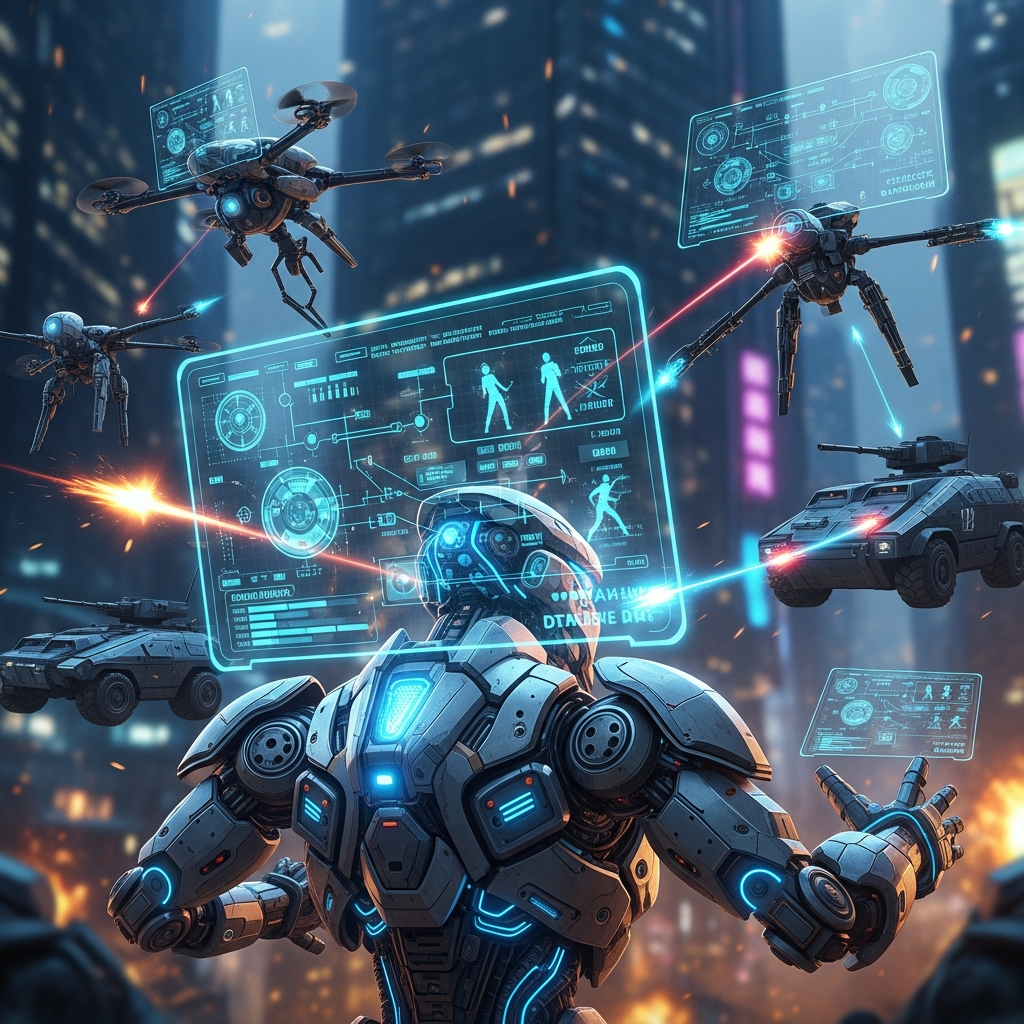
At its core, adaptive battle mechanics involve combat systems that analyze player behavior and modify themselves accordingly. Unlike traditional difficulty modes where you select “easy” or “hard” before playing, adaptive systems continuously evaluate your performance and adjust in real-time.
Think of it like sparring with a training partner who notices your tendencies. Keep throwing right hooks, and they’ll start anticipating them. Rely too heavily on blocking, and they’ll pressure you differently. The experience evolves based on what you bring to the fight.
Modern implementations use various approaches. Some track success rates and failure patterns. Others monitor resource usage, timing choices, or strategic preferences. The sophisticated ones combine multiple data streams to build player profiles that inform enemy behavior, spawn rates, and encounter design.
The Director Approach: Left 4 Dead’s Revolution
When Valve released Left 4 Dead in 2008, the AI Director changed expectations for cooperative shooters forever. Rather than placing zombies in predetermined locations, the Director analyzed player stress levels, health status, ammunition counts, and progression speed then dynamically spawned enemies to maintain optimal tension.
Cruising through without challenge? Here comes a Tank. Struggling and low on supplies? The next safe room might appear sooner, with fewer special infected blocking your path.
What made this system brilliant was its invisibility. Players rarely felt manipulated because the adjustments happened seamlessly within the game’s chaotic framework. You just knew some runs felt harder than others, which kept the experience fresh across dozens of playthroughs.
I spent probably 200 hours in that game, and the Director kept surprising me. That’s the promise of adaptive mechanics replayability through genuine unpredictability.
Resident Evil 4 and Hidden Difficulty
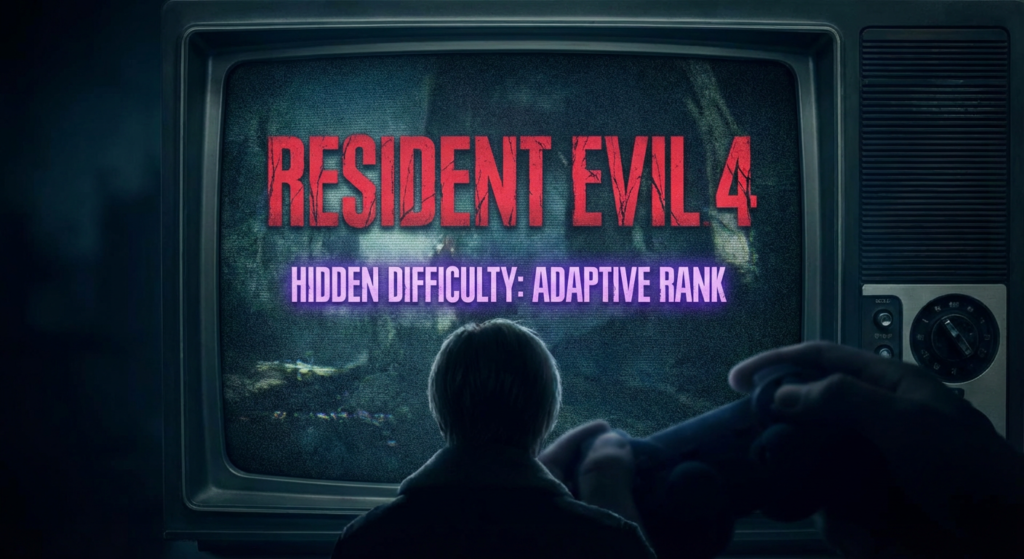
Capcom took a subtler approach with Resident Evil 4’s dynamic difficulty adjustment, and honestly, many players never realized it existed. The system tracked your combat performance invisibly, tweaking enemy aggression, damage values, and item drops based on how well you handled encounters.
Dying repeatedly to certain sections would gradually ease the challenge. Dominating enemies would trigger tougher configurations. The adjustments were small enough that they felt natural rather than artificial.
This approach has its critics. Some argue that hidden difficulty adjustment undermines player agency if you’re struggling and the game secretly gets easier, does your eventual victory mean anything? It’s a valid philosophical question that developers still debate.
My take? For narrative driven games where progression matters, invisible assistance can preserve the experience for less skilled players without breaking immersion. For games emphasizing mastery and challenge, it becomes more problematic.
Enemy AI That Actually Learns
Beyond global difficulty adjustment, some games feature enemies that adapt their tactics to counter specific player strategies. This is where things get genuinely interesting and technically complex.
Fighting game developers have experimented with this for years. Imagine an AI opponent that notices you favor low attacks and starts blocking low more frequently. Or one that recognizes your combo patterns and develops counters specifically to your fighting style.
The challenge is calibrating these systems so they feel fair rather than frustrating. Nobody enjoys fighting an opponent that seemingly reads their inputs. The learning has to feel organic, like facing a human who’s picking up on your habits naturally.
Shadow of Mordor’s Nemesis system, while not strictly combat AI, demonstrated how personalized enemy relationships could transform engagement. Orcs remembered previous encounters, developed new strengths based on how you fought them, and created emergent narratives through adaptive behavior. Getting killed by a grunt who later became a scarred, revenge-driven captain hunting you specifically? That’s storytelling through systems.
Technical Challenges and Limitations
Building effective adaptive battle mechanics requires solving several difficult problems. First, there’s data collection determining which player behaviors actually matter for adaptation versus noise. Then there’s response calibration adjusting difficulty without feeling obvious or punishing.
Latency presents another challenge. Adaptations happening too quickly feel reactive and cheap. Too slowly, and they don’t meaningfully affect the current session. Finding that sweet spot requires extensive playtesting and iteration.
There’s also the problem of skilled players intentionally manipulating systems. If dying repeatedly makes the game easier, some players will game that mechanic. Designers need safeguards against exploitation while maintaining responsive adjustment.
Where We’re Heading
Contemporary developments push these concepts further. Games increasingly use machine learning models trained on aggregate player data to predict difficulty curves and engagement patterns. Rather than simple threshold-based adjustments, newer systems attempt nuanced understanding of player psychology.
Some studios experiment with procedural encounter design, where not just enemy behavior but entire battle configurations adapt to individual playstyles. Prefer ranged combat? Expect more enemies that close distance aggressively. Favor aggressive melee? Encounters might feature more environmental hazards requiring positioning awareness.
The eventual goal still years away, realistically involves AI systems sophisticated enough to serve as compelling opponents without feeling either too predictable or unfairly omniscient. We want enemies that surprise us, challenge our assumptions, and force creative problem-solving without crossing into frustration.
The Human Element Remains Essential
Despite technological advances, game designers remain central to making adaptive mechanics work. Systems need careful boundaries, philosophical grounding, and artistic vision. The technology enables possibilities; human creativity shapes them into meaningful experiences.
Every time I boot up a game with genuine adaptive combat, I’m reminded why this field excites me. There’s something magical about systems that respond authentically to your choices, that refuse to become stale through repetition, that keep you genuinely uncertain about what comes next.
That Xenomorph taught me to never get comfortable. Best lesson a game ever gave me.
Frequently Asked Questions
What are adaptive battle mechanics?
Combat systems that analyze player behavior and modify difficulty, enemy tactics, or encounter design in real-time based on individual performance and playstyle.
Do all modern games use adaptive difficulty?
No. Many games use static difficulty settings. Adaptive systems require significant development resources and aren’t appropriate for all genres or design philosophies.
Can players disable adaptive difficulty?
Depends on the game. Some offer toggles, while others integrate adaptation so deeply that disabling it would fundamentally change the experience.
Does adaptive AI cheat by reading player inputs?
Well-designed systems avoid input reading, instead reacting to completed actions and patterns. Poor implementations sometimes cross this line, creating frustration.
Which games have the best adaptive combat systems?
Left 4 Dead’s Director, Alien: Isolation’s Xenomorph AI, and Resident Evil 4’s hidden difficulty adjustment are frequently cited as landmark implementations.
Will adaptive AI replace traditional difficulty settings?
Unlikely entirely. Both approaches serve different player preferences and design goals. Hybrid systems combining both elements seem most promising.