
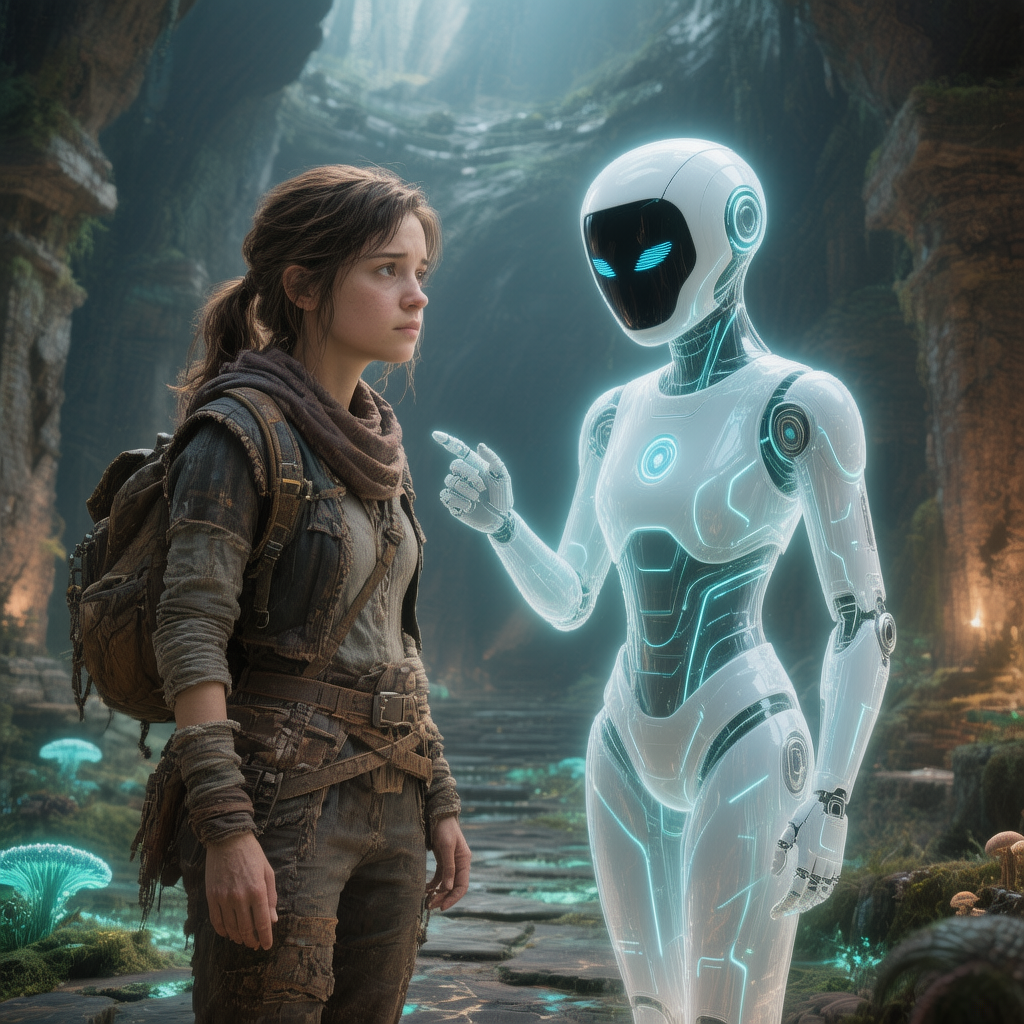
The moment hit harder than I expected. Ellie had just made a terrible joke something about a book of puns she found and I caught myself genuinely laughing. Not at clever writing alone, but at her timing, her delivery, the fact that this joke came after hours of surviving together through genuine horror.
That’s when I realized something had changed in gaming. AI companions weren’t just functional helpers anymore. They’d become characters I actually cared about.
More Than Just Followers
AI companions in story based games serve purposes far beyond combat assistance or puzzle solving. They’re conversation partners, emotional anchors, and often the heart of narratives themselves. When designed thoughtfully, these digital partners transform solitary experiences into something resembling genuine relationships.
The best companions create what developers call “presence” the sense that another thinking, feeling entity shares your journey. This isn’t easy. Players spend dozens of hours with these characters, far longer than most film relationships develop. Every flaw, every repetitive line, every pathfinding failure chips away at believability.
Yet when studios get it right, magic happens. Players form attachments that rival connections to human-written novel characters or film protagonists. Sometimes even stronger, because interactivity creates ownership over shared experiences.
Elizabeth Changed Everything
Bioshock Infinite’s Elizabeth represents a turning point in companion design. Before her, many AI partners felt like liabilities escort missions in permanent form. She felt like a person.
The technical achievements mattered. Elizabeth never blocked doorways. She didn’t require babysitting during combat. She actively contributed by finding resources and opening tears in reality during fights. But technical competence wasn’t why players loved her.
Elizabeth reacted to Columbia’s world with genuine curiosity and horror. She danced when she heard music. She leaned against railings and watched the city below. She commented on environmental storytelling players might miss. She existed independent of the player’s needs.
That independence paradoxically created deeper connection. Elizabeth felt like her own person, not an extension of player will. When narrative events hurt her, players felt protective. When she made choices, players respected her agency.
The Last of Us and Earned Relationships
Naughty Dog approached companion design differently with Ellie. Rather than immediately likeable, she began as cargo Joel’s unwanted responsibility. The game trusted players to develop attachment naturally through shared survival.
What struck me most replaying recently was how Ellie’s usefulness evolved alongside the relationship. Early sections feature her as vulnerable, requiring protection. Later, she spots enemies, throws bricks to create distractions, and eventually fights alongside Joel competently. Her gameplay contribution mirrors narrative growth.
The sequel complicated this brilliantly. Playing as Abby with her own companion created uncomfortable divided loyalties. Same mechanical relationship, entirely different emotional response. It proved how narrative context shapes everything about companion perception.
When Companions Fail
Not every attempt succeeds. Some companions talk too much, repeating dialogue until players mute voice volume entirely. Others offer hints so aggressively they solve puzzles before players engage with them. Some simply can’t navigate environments without constant collision and correction.
Resident Evil games historically struggled here. Ashley in Resident Evil 4, while iconic, spent much of the game as a liability rather than partner. Her “Leon! Help!” became meme material for good reason. The remake wisely addressed this, making her more capable and less intrusive.
The problem often stems from trying to do too much. Companions asked to assist combat, provide hints, react emotionally, stay out of the way, and remain constantly present will fail at something. The best designs accept limitations and work within them.
God of War’s Atreus: Growing Together
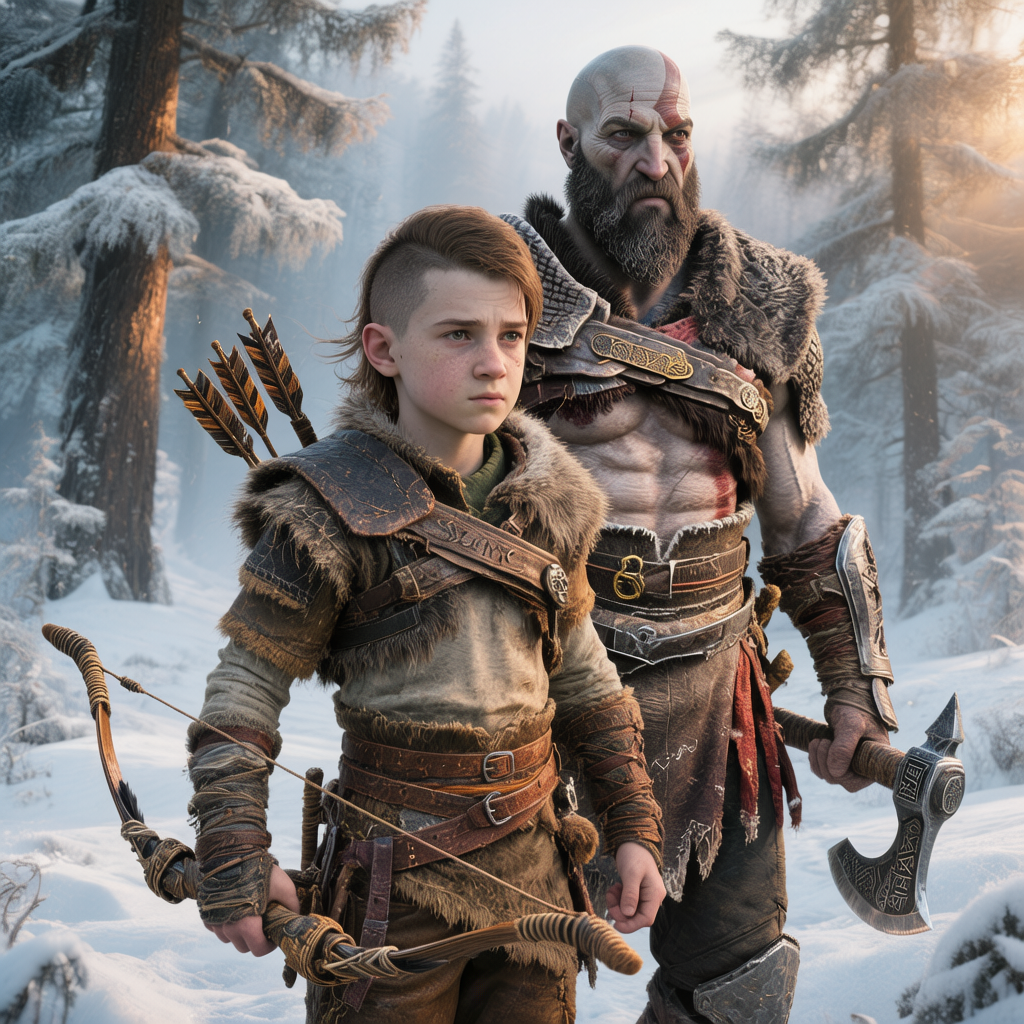
Santa Monica Studio’s 2018 God of War reboot presented a companion who was simultaneously gameplay mechanic and narrative centerpiece. Atreus wasn’t optional flavor the entire story depended on his relationship with Kratos.
Gameplay integration felt seamless. Atreus’s arrows became essential combat tools. His translations moved story forward. His observations guided exploration without feeling like unwanted hints. When he fell ill, his absence created genuine gameplay loss and emotional concern simultaneously.
What impressed me most was watching him grow. Early Atreus struggled in combat and questioned everything. Later, his confidence (sometimes dangerously excessive) reflected character development through mechanical change. By Ragnarök, he’d become a capable warrior whose fighting style differed from but complemented Kratos.
Mass Effect’s Squad: Relationships by Choice
BioWare pioneered companion relationships where player choice determined depth. Mass Effect’s squadmates ranged from functional combat allies to romance options to best friends to bitter rivals depending entirely on player interaction.
This approach created personalized experiences. My Shepard’s relationship with Garrus felt earned through conversations, loyalty missions, and shared history. Another player might never speak to him beyond mission requirements. Same character, entirely different meaning.
The risk is shallowness. When relationships are optional, developers can’t depend on them for narrative weight. Mass Effect solved this by making loyalty missions significant side content substantial enough that most players pursued them voluntarily.
The Invisible Art of Good Companion Design
The best companion design remains invisible. Players shouldn’t notice pathfinding systems or combat AI or dialogue triggers. They should simply feel accompanied.
This requires obsessive iteration. Developers playtest companion behavior for hundreds of hours, adjusting reaction timing, movement patterns, and spatial awareness until interactions feel natural. One studio designer I spoke with compared it to choreography every movement planned to appear spontaneous.
Voice acting carries tremendous weight too. A companion’s voice becomes constant presence, and weak performance destroys immersion faster than any technical flaw. The casting of Troy Baker and Ashley Johnson for The Last of Us wasn’t accidental their chemistry during performance capture sessions translated directly to screen.
Looking Ahead
Future story-based games will likely push companion relationships further. Dynamic dialogue systems allow more responsive conversation. Improved animation creates subtler emotional expression. Better pathfinding eliminates remaining immersion breaks.
But technology alone won’t create beloved companions. The characters we remember—Elizabeth, Ellie, Atreus, Garrus succeeded because writers crafted genuine personalities and designers protected those personalities through technical execution.
AI companions have become essential to narrative gaming. When done right, they remind us why we play story-based games at all: to feel something alongside someone, even when that someone exists only in code.
Frequently Asked Questions
What makes a good AI companion in games?
Believable personality, useful gameplay integration, responsive behavior, and independence that creates genuine presence rather than constant player dependency.
Which games have the best AI companions?
The Last of Us, Bioshock Infinite, God of War (2018), and Mass Effect series consistently receive praise for exceptional companion design.
Why do players become attached to AI companions?
Extended shared experiences, responsive interactions, and well-written personalities create emotional investment similar to fictional characters in other media.
Do AI companions affect game difficulty?
Yes companions can provide combat assistance, resource finding, or puzzle hints that alter challenge levels significantly.
Can AI companions be customized?
Many games allow ability upgrades, equipment changes, or dialogue choices that shape companion development and capabilities.
What’s the biggest challenge in companion design?
Balancing helpfulness against annoyance while maintaining believable behavior across dozens of hours of varied gameplay situations.